SSI Traffic Solutions: Traffic Safety Products in USA and Canada
Traffic Safety Products in USA and Canada

For global buyers, traffic safety signs are not simple boards with printed symbols. They are practical communication tools used beside highways, school zones, construction areas, ports, and city streets. A clear sign can guide a tired driver through heavy rain, unfamiliar road markings, or a crowded intersection. A confusing sign may create hesitation within seconds. Small details matter, including letter height, color contrast, reflective performance, mounting height, and viewing distance.
Professor Fred Wegman, a recognized road-safety expert, has stated, “Road safety is a shared responsibility.” This principle explains why buyers should assess more than unit price. They must examine whether traffic safety signs remain visible at night, resist weather exposure, and support consistent understanding across languages and driving cultures. Durable aluminum, quality retroreflective sheeting, stable printing, and accurate symbols can improve field performance. Testing records and manufacturing traceability also strengthen purchasing confidence.
However, no sign solves every safety problem. That is worth remembering. A technically compliant product can still perform poorly when installed in the wrong location or viewed at an unsuitable angle. Global buyers should compare real project conditions, not catalogue images alone. They may request samples, inspect color under headlights, and review maintenance expectations before placing large orders. Mistakes happen, even in professional projects. Careful review reduces them. Reliable traffic safety signs connect engineering knowledge with human behavior, helping road users make safer decisions when conditions become confusing, fast-moving, or unpredictable.
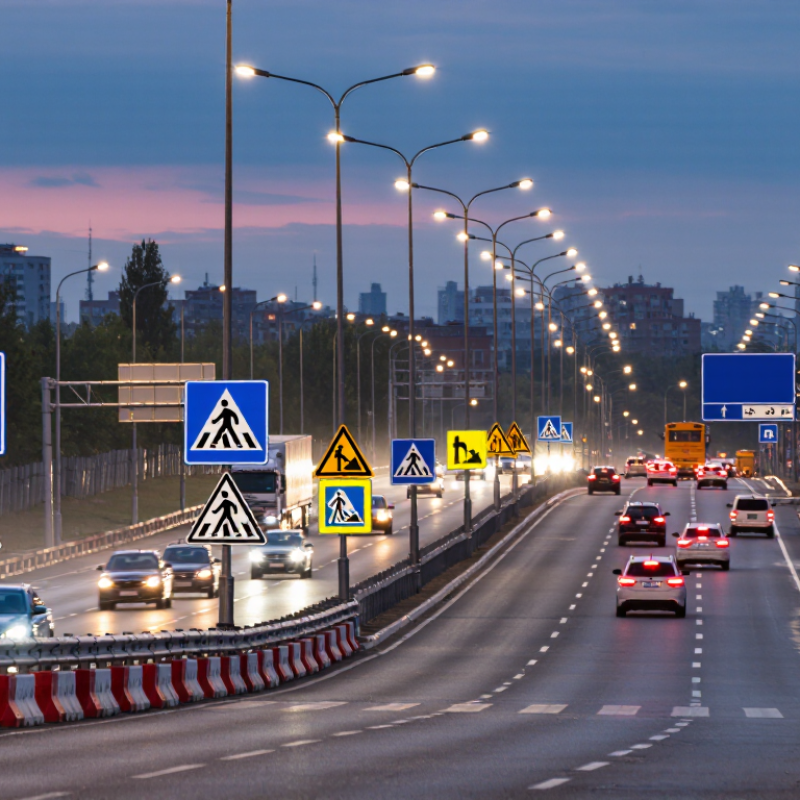
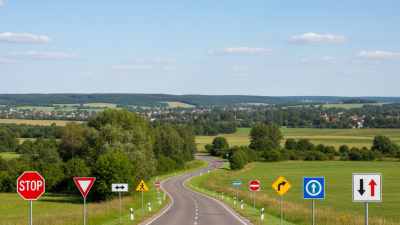
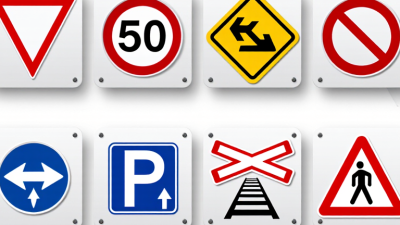
Traffic safety signs are visual messages placed where drivers, cyclists, and pedestrians must make quick decisions. They identify hazards, control movement, provide directions, and mark temporary changes near roads or work areas. A red circle may restrict an action, while a warning triangle can signal danger ahead. Symbols often communicate faster than words. Stop.
For global buyers, the sign’s message must remain clear across languages, weather conditions, and driving environments. Check the symbol design, color accuracy, dimensions, mounting method, and nighttime reflectivity. Materials should resist rain, dust, sunlight, and repeated cleaning. A sign that looks excellent indoors may become unreadable after months outdoors. That detail is easy to miss.
Reliable purchasing also requires documented measurements, production samples, and quality checks before shipment. Ask whether the printed text matches the approved drawing. Confirm that arrows, borders, and symbols are positioned consistently. Local road authorities may require different formats, so one universal design is rarely enough. I would not judge quality from appearance alone. Adhesion, surface finish, edge safety, and visibility from a realistic distance matter too. A small mistake in spacing can change how people understand the instruction. The buyer should test the sign in daylight and low light, because photographs cannot reveal every weakness.
Traffic safety signs turn complex road conditions into quick, shared instructions. This matters worldwide, where drivers may not understand local languages. The World Health Organization’s Global Status Report on Road Safety 2023 estimates 1.19 million annual road deaths and 20–50 million non-fatal injuries. It also reports that low- and middle-income countries account for 92% of deaths, despite owning about 60% of the world’s vehicles. Clear signs can support safer decisions in these varied environments.
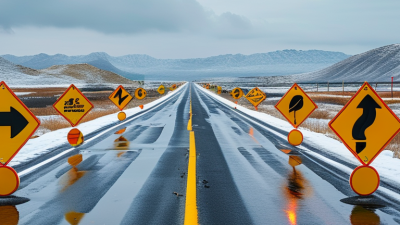
A well-designed warning sign gives drivers more time to react near crossings, sharp bends, work zones, and merging lanes. Standard shapes, colors, symbols, and mounting heights reduce hesitation. The Federal Highway Administration’s Manual on Uniform Traffic Control Devices emphasizes uniformity, legibility, and visibility as essential control principles. In practice, buyers should examine retroreflective performance, viewing distance, rain visibility, wind resistance, and surface durability. A sign should remain readable when headlights strike it at an angle.
Night testing matters.
The International Transport Forum’s road safety reports support a Safe System approach, where roads, vehicles, and users share responsibility. Signs cannot correct every dangerous design. Poor placement may create visual clutter, while excessive wording can slow recognition. Global buyers should request test records, installation guidance, and maintenance expectations from qualified suppliers. Field experience also shows an uncomfortable truth: even excellent signs fail when damaged, blocked by vegetation, or ignored by road users. Regular inspection remains part of safety performance.
Traffic safety signs provide consistent visual warnings, speed guidance, lane information, and priority control across different countries and road environments. Clear, standardized signs help drivers, pedestrians, and cyclists recognize hazards earlier and make safer decisions. The chart shows why globally adaptable sign systems matter: road traffic fatality rates differ significantly among WHO regions, making reliable road communication an important part of safer infrastructure.
Source: World Health Organization, Global Status Report on Road Safety 2023. Rates represent estimated road traffic deaths per 100,000 population in 2021.
Global buyers need standardized traffic safety signs because roads, languages, and procurement teams rarely share one operating context. The WHO Global Status Report on Road Safety 2023 estimates that 1.19 million people die in road crashes each year. It also records 20–50 million non-fatal injuries. A consistent red border, warning triangle, or pedestrian symbol helps drivers recognize meaning before reading words. This matters at a wet intersection, beside a dusty work zone, or during night driving.
Standardization also makes purchasing more reliable. Buyers can compare retroreflective performance, symbol proportions, color coordinates, mounting dimensions, and testing documents. ISO 3864 provides principles for safety-sign colors and shapes. ISO 7010 supports standardized graphical symbols. These references reduce translation errors and simplify replacement across countries. The economic case is serious: the WHO reports that road crashes cost most countries about 3% of gross domestic product. One unclear sign can create delays, claims, and dangerous hesitation.
Still, compliance is not magic. A sign may match an international symbol yet fail because trees hide it, glare washes out the message, or local drivers expect different placement. The International Transport Forum’s Road Safety Annual Report links safer outcomes with infrastructure, speed management, and enforcement, not signs alone. Global buyers should request field evidence, aging tests, and installation guidance. Some procurement teams focus too heavily on unit price. That habit deserves reconsideration. A standardized sign works only when people can see it, understand it, and trust it.
| Evaluation Dimension | Standardized Reference or Fact | Why It Matters to Global Buyers | Recommended Purchasing Check |
|---|---|---|---|
| Warning signs | The 1968 Vienna Convention generally uses triangular signs to warn road users about hazards ahead. Exact colors and symbols may vary by national regulation. | A consistent shape allows drivers to recognize a potential hazard quickly, even when they cannot read the local language. | Confirm the warning-sign shape, border color, symbol design, and local legal approval for the destination market. |
| Prohibition signs | International road-sign systems commonly use a circular format with a contrasting red border for prohibitions, including no entry and speed restrictions. | A recognizable visual code helps communicate restrictions to international drivers and reduces interpretation errors. | Check whether the sign uses the required red border width, background color, symbol, and mounting orientation. |
| Mandatory signs | Mandatory actions are commonly represented by circular signs with a blue background, such as keep-right or minimum-direction instructions. | Clear visual differentiation between mandatory actions and prohibitions supports faster driver decisions. | Verify blue color tolerance, directional arrow geometry, symbol contrast, and compliance with the importing country’s sign manual. |
| Information signs | Information and service signs are often rectangular or square, with color and symbol conventions determined by regional or national road regulations. | Standard layouts help drivers identify parking, pedestrian crossings, emergency facilities, and route information without relying only on text. | Confirm the permitted format, icon set, bilingual text requirements, and prescribed background color. |
| Safety symbols | ISO 7010 establishes graphical symbols for safety signs intended to improve comprehension across language groups. Road authorities may use additional or different national symbols. | Using recognized symbols reduces translation dependency and supports consistent communication in international workplaces and transport areas. | Check symbol registration, proportions, color requirements, and whether the symbol is accepted for the intended road or facility application. |
| Night visibility | Retroreflective sheeting returns a portion of incident light toward the source, improving sign visibility when illuminated by vehicle headlights. | Adequate nighttime visibility is essential for reducing recognition time in low-light, rainy, or high-speed traffic conditions. | Request retroreflectivity test results, sheeting classification, color-performance data, and durability documentation required by the destination market. |
| Color and contrast | Traffic-sign systems rely on contrast between the background, border, and symbol. Exact color coordinates and luminance requirements are specified by applicable national or regional standards. | Stable color and contrast improve recognition in daylight, darkness, fog, and adverse weather. | Review color measurement reports, contrast ratios where applicable, UV-aging results, and production tolerances. |
| Size and viewing distance | Sign size is determined by road speed, viewing distance, sign placement, message complexity, and local road authority specifications; there is no single universal size for every application. | Correct sizing gives drivers sufficient time to detect, read, and respond to the message. | Provide road class, design speed, installation height, lateral offset, viewing distance, and the authority-approved size before production. |
| Weather resistance | Outdoor signs may be exposed to ultraviolet radiation, rain, humidity, salt, temperature changes, wind, and mechanical impact. Test requirements differ by jurisdiction and application. | Durable materials help preserve legibility and reduce replacement, maintenance, and traffic-disruption costs. | Specify substrate, coating, corrosion protection, wind-load requirements, operating temperature range, and accelerated-aging evidence. |
| Regulatory acceptance | The Vienna Convention provides an international framework, but road signs remain subject to national legislation, regional road manuals, and project-specific approvals. | A sign that is visually acceptable in one country may not be legally valid or technically compliant in another. | Obtain the latest destination-country specification, approved drawings, conformity documents, and pre-shipment inspection records. |
For global buyers, selecting a traffic safety sign is not simply a design exercise. It is a risk-control decision.
The World Health Organization’s Global Status Report on Road Safety 2023 estimates 1.19 million road deaths annually. It also reports that 20–50 million people suffer non-fatal injuries. A clear sign cannot prevent every crash. It can reduce hesitation at crossings, work zones, and temporary diversions.
Buyers should check symbol recognition, viewing distance, luminance, contrast, and mounting height. ISO 7010 supports consistent safety symbols, while ISO 3864 addresses safety-sign colors and design principles. These standards improve communication, but they do not replace local road requirements.
Consider the installation environment. UV exposure, salt spray, rain, dust, and vehicle vibration can damage weak substrates or fading inks. Reflective performance matters at night. Test it from a driver’s approach, not only under a warehouse lamp.
Critical instructions may need local wording. Accessibility also deserves attention. A sign hidden behind foliage is a failed sign.
Tips: Request test samples and measurable specifications. Compare retroreflectivity, weathering results, edge quality, and expected service life. Ask for independent laboratory evidence where possible. Keep batch records and inspection dates. Buyers sometimes overvalue a low purchase price. That choice can become expensive after early replacement. No checklist is perfect; site photos, night inspections, and driver feedback can reveal weaknesses before an incident does.
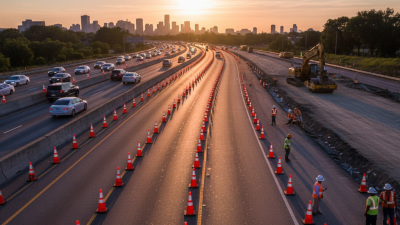
For global buyers, traffic safety signs are not simply printed panels. Their performance depends on correct installation, regular maintenance, and local compliance. Installation begins with a site survey. Technicians check sight distance, road speed, lighting, drainage, and surrounding obstacles. Posts need stable foundations and suitable corrosion protection. On windy roads, anchor depth and panel area deserve careful calculation. A sign mounted too low may be blocked by vehicles or vegetation. Keep it visible. Crews should use approved barriers and follow safe procedures near moving traffic.
Maintenance is practical, scheduled work. Inspectors should check fading, cracks, loose bolts, bent posts, rust, and damaged reflective surfaces. Dust, salt, snow, and exhaust can reduce nighttime visibility. Reflective sheeting may look acceptable in daylight but perform poorly after dark. Field inspections often reveal small defects before they become expensive failures. Replace damaged components promptly, and keep inspection dates, photographs, and repair records. Not every inspection is perfect. Traffic changes, weather, and poor lighting can expose weaknesses later.
Regulation is where international purchasing becomes sensitive. Buyers should confirm the destination’s road-sign standards before production. Requirements may cover colors, symbols, dimensions, mounting height, retroreflectivity, wind resistance, and language. Local authorities may require product testing or installation approval. Technical documents should identify materials, test results, and expected service conditions. When rules conflict, qualified local reviewers can clarify the correct interpretation. That step is easy to underestimate. A compliant-looking sign can still fail when its symbol, size, or placement differs from local requirements.