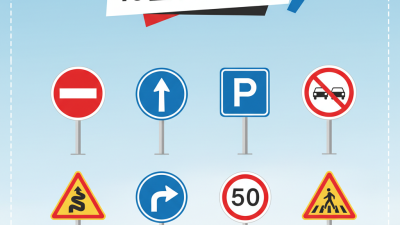
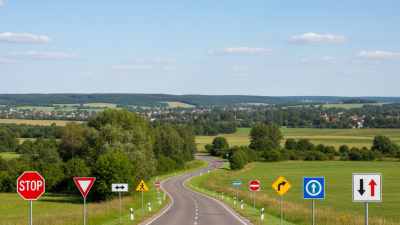
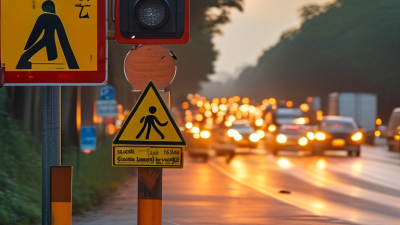
SSI Traffic Solutions: Traffic Safety Products in USA and Canada
Traffic Safety Products in USA and Canada

Road traffic signs are small objects with outsized consequences. A red octagonal stop sign must be recognized within seconds, often through rain, glare, dust, or nighttime spray. The World Health Organization’s Global Status Report on Road Safety 2023 estimates that about 1.19 million people die in road crashes each year. It also reports that 20 to 50 million more people suffer non-fatal injuries. Clear signs cannot prevent every collision. They can reduce uncertainty at critical moments.
For global buyers, the challenge is not simply choosing attractive designs. It is matching each sign’s symbol, color, size, reflectivity, mounting system, and language requirements with the destination market. The UNECE Convention on Road Signs and Signals provides an important international reference, while the U.S. Federal Highway Administration’s Manual on Uniform Traffic Control Devices, 11th Edition, offers detailed guidance for American roads. These sources should support procurement decisions, not replace local approval.
This guide introduces ten road traffic signs that international buyers should understand before ordering. The selection covers stop, yield, speed-limit, warning, no-entry, pedestrian-crossing, lane-direction, parking, railway-crossing, and temporary-work signs. Their meanings may appear familiar, but manufacturing details matter. A weak retroreflective film can disappear under headlights. A poorly matched aluminum panel can bend in strong wind. Small errors become expensive.
No catalogue is perfect. Even experienced buyers can overlook regional symbols, installation height, or climate exposure. That is why reliable sourcing requires technical drawings, certified materials, sample testing, and evidence of field performance. The best purchase is not always the cheapest sign; it is the sign that remains visible, legible, and compliant when road conditions become difficult.
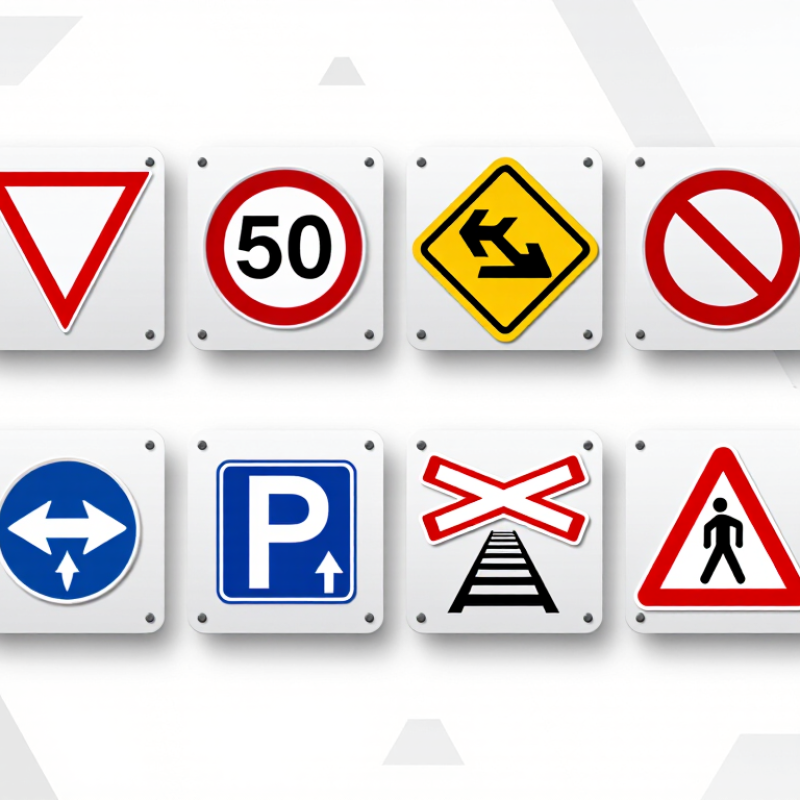
Road traffic signs guide decisions before drivers reach a hazard. Their main categories include regulatory, warning, guide, service, and temporary work-zone signs. Regulatory signs control speed, movement, or access. Warning signs highlight curves, crossings, merging lanes, and uneven surfaces. Guide signs identify destinations, routes, and facilities. Temporary signs manage changing conditions around road repairs. The purpose is simple: deliver the right message at the right distance.
The purpose is simple: deliver the right message at the right distance.
The World Health Organization’s Global Status Report on Road Safety 2023 estimates 1.19 million road deaths worldwide each year. It also reports that low- and middle-income countries face about 92% of these deaths. Clear signs cannot solve every safety problem, but poor visibility can increase confusion. Buyers should check retroreflectivity, viewing distance, symbol recognition, weather resistance, and local mounting rules. A sign may meet a specification yet perform poorly under dust, rain, or strong glare. That point deserves more attention.
Tips: Build a sign schedule before purchasing. Match each sign to its road speed, viewing distance, and risk level. Test samples at night and during rain. Compare symbols with regional standards, because familiar shapes are not always understood globally. Keep installation records and inspect damaged signs regularly. Small details matter.
Road signs translate risk into quick decisions. The WHO Global Status Report on Road Safety 2023 estimates 1.19 million annual road deaths worldwide, making clear signs essential infrastructure.
Stop means vehicles must halt completely. Give Way, or Yield, requires drivers to let priority traffic pass. No Entry prohibits access from that direction. A Speed Limit sign states the maximum lawful speed.
Warning signs, often showing a junction symbol, alert drivers to changing road conditions. Their colors and shapes vary by jurisdiction, so buyers should check local standards.
Pedestrian Crossing identifies a designated crossing area. Children or School warns of young pedestrians near educational zones. Slippery Road signals reduced grip, especially during rain, snow, or spills. Road Works indicates construction, workers, lane changes, or temporary hazards. No Parking prohibits leaving a vehicle in the marked area.
The OECD and International Transport Forum’s Road Safety Annual Report 2024 stresses that safer road systems require clear infrastructure and consistent user expectations. Reflective sheeting, contrast, mounting height, and viewing distance also affect performance at night. Small details matter.
A sign can still fail.
Global buyers should compare symbols with the Vienna Convention framework and the destination country’s traffic manual. Translation alone is not enough. A familiar word may carry a different legal meaning elsewhere. One practical weakness remains: suppliers often measure appearance, but overlook maintenance, dirt, glare, and fading. Procurement teams should request retroreflectivity testing, weather resistance data, installation guidance, and replacement intervals before approving production.
Top 10 Road Traffic Signs Global Buyers Should Know
How Sign Shapes, Colors, and Symbols Communicate Rules
Road signs work through a visual language that drivers recognize within seconds. Shape speaks first. Circular signs usually communicate restrictions or mandatory actions, while triangular signs warn about hazards. Rectangular signs provide directions, services, or supplementary information. This structure helps drivers interpret meaning before reading small text. The Vienna Convention on Road Signs and Signals supports this shared approach across many countries, although local standards still differ.
Color reinforces meaning. Red commonly signals prohibition, danger, or a need to stop. Yellow or amber often highlights caution, temporary conditions, or changing traffic patterns. Blue frequently indicates mandatory movement or useful services. Green and white can guide routes, destinations, and regulations. Symbols should remain simple, high-contrast, and understandable from a moving vehicle. ISO 3864-1 offers widely used principles for safety-sign colors and graphical forms. The World Health Organization’s Global Status Report on Road Safety 2023 estimates 1.19 million annual road deaths worldwide, making clear communication a serious purchasing concern. Poor contrast, excessive wording, or unfamiliar icons can delay decisions. That risk is easy to underestimate. Buyers should test signs at night, in rain, and from realistic viewing distances. A 2023 international road safety assessment also notes that safer infrastructure depends on consistent, recognizable road-user information. Still, no design works perfectly everywhere. Local languages, weather, driving habits, and sign placement require careful review before production.
How sign shapes, colors, and symbols communicate rules
The chart compares the visible corner count of widely used international road-sign shapes. A value of 0 represents a circular sign. Shape and color conventions generally follow Vienna Convention practices, although national regulations may vary.
Road signs rarely speak one universal visual language. The Vienna Convention on Road Signs and Signals encourages harmonization, yet national practice remains uneven. The World Health Organization’s Global Status Report on Road Safety 2023 estimates 1.19 million annual road deaths worldwide. Clear signs matter most where road users, vehicles, and languages change quickly.
European systems commonly use red-bordered circles for restrictions and triangular warnings. Many countries in the Americas use yellow diamond-shaped warning signs. Several Asian markets combine international symbols with local scripts, creating different space and visibility requirements. Southern African systems may also reflect left-side driving, affecting sign placement and driver scanning. Small details matter. A familiar symbol can still confuse when its color or border changes.
Global buyers should verify ten sign categories: stop, yield, speed limit, no entry, one-way, warning, pedestrian crossing, railway crossing, lane control, and temporary roadwork signs.
ISO 3864 provides principles for safety-sign colors and graphical forms, but it does not replace local approval. MUTCD-based specifications in the United States also differ from many European standards, especially in warning colors, lettering, and mounting details. The World Bank’s road-safety guidance repeatedly links consistent signing with safer infrastructure, although sign quality alone cannot correct poor road design. That limitation deserves attention. A supplier may meet a general standard yet fail a regional inspection because of reflectivity, language, dimensions, or placement. Verify the destination country before production.
Choosing compliant signs requires more than translating words. Global projects commonly use stop, yield, speed limit, no entry, pedestrian crossing, road works, lane merge, railway crossing, slippery road, and warning signs. Their colors, symbols, dimensions, and retroreflective performance must match local rules.
The World Health Organization reported about 1.19 million annual road deaths in its Global Status Report on Road Safety 2023. Clear signs support safer decisions, especially at night, in rain, or near temporary construction zones.
International buyers should verify the destination country’s traffic code before production. The Vienna Convention provides a useful reference, but national authorities may require different symbols or mounting heights. ISO 7010 can help with recognizable graphical symbols, yet it does not replace local approval.
In field projects, I have seen a familiar icon fail because its border width looked wrong from a driver’s distance. That detail matters. The World Road Association also stresses consistency, visibility, and maintenance in road infrastructure guidance.
A compliant sign should include tested retroreflectivity, corrosion-resistant materials, readable fonts, and documented inspection results. Specifications alone are not enough.
Tips:
Request certified photometric test results, installation drawings, and sample signs before shipment. Check viewing distance at the actual road speed. Ask local engineers to review translations and symbols. Keep records of batch numbers and replacement dates. Small errors become expensive. And standards can change, so confirm the latest authority requirements before purchasing.