SSI Traffic Solutions: Traffic Safety Products in USA and Canada
Traffic Safety Products in USA and Canada

Choosing the right caution cones is more complex than selecting a bright color and a low price. Global buyers must consider road speed, weather, visibility, storage, and repeated handling. A cone used beside a warehouse differs from one placed near a highway. The details matter.
Traffic-safety consultant David Harkins says, “A cone works only when drivers can see it, understand it, and respect the space around it.” This practical view helps buyers compare cone height, base stability, reflective collars, and material flexibility. Heavy rubber bases resist wind. Flexible PVC reduces cracking in cold conditions. High-intensity reflective bands improve recognition at night. Some buyers also need stackable designs for crowded vehicles or limited storage rooms.
The best caution cones should match the working environment, not merely the product photograph. Check applicable regional standards, testing documents, and supplier quality records before ordering. Ask whether the reflective material remains effective after cleaning, sunlight exposure, and repeated impact. Small samples can reveal weak seams, unstable bases, or poor color consistency.
There is no perfect cone. That is worth admitting. A very heavy model may be stable but difficult to carry. A lightweight model may save labor but move during strong wind. Buyers sometimes focus too heavily on unit cost, then pay more for replacements and transport. This guide compares the top types of caution cones for global buyers, using practical performance, compliance evidence, and lifecycle value as the main benchmarks.
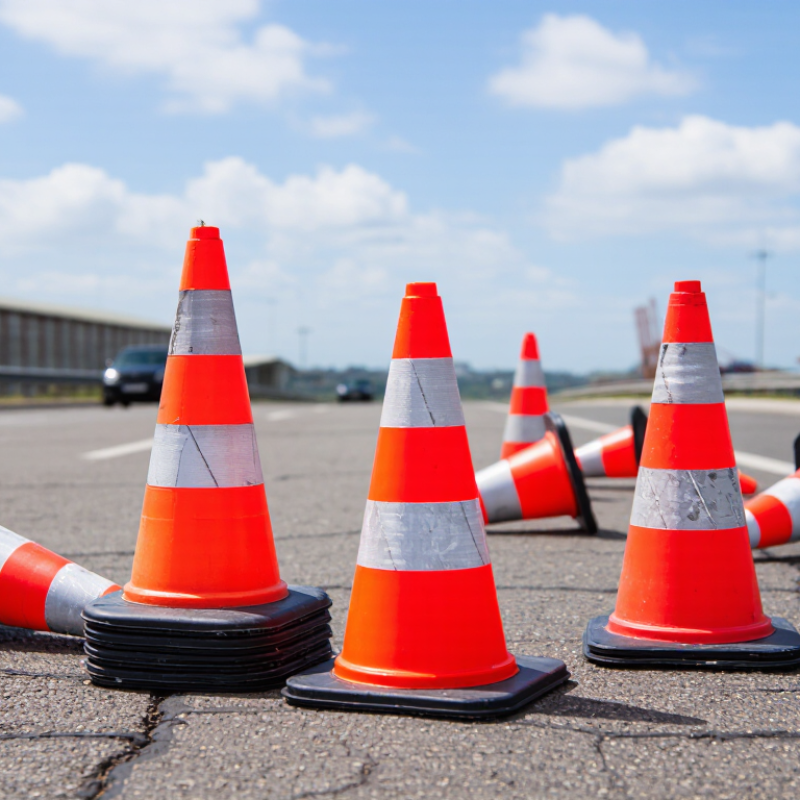
Caution cones are portable warning devices used to separate people from temporary hazards. They usually have a bright body, reflective bands, and a stable base. Some models are lightweight for indoor maintenance, while others use weighted bases for roads, warehouses, and windy sites. Collapsible cones save storage space. LED-equipped versions improve visibility during nighttime work.
Global buyers need caution cones because hazards change quickly across workplaces. A wet floor, damaged pavement, or unloading area may need immediate marking. A visible cone can guide pedestrians before a minor problem becomes an injury. It also helps workers define safe distances around equipment, vehicles, and temporary repairs. Color, height, base weight, and reflective performance should match the working environment. Buyers should also check local safety guidance before placing large orders.
I have found that bright color alone is not enough. A cone beside a busy road may need stronger reflection and better wind resistance. In cold regions, brittle plastic can crack after repeated outdoor use. In hot climates, poor materials may fade sooner than expected. Test a sample in real conditions. That step feels slow, but it can prevent an expensive mistake. Measurements, packaging quality, and stacking efficiency also matter for international shipping. No cone fits every site. Rechecking the choice after installation is often necessary.
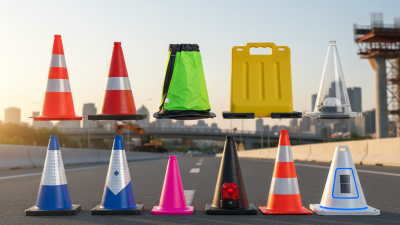
For global buyers, material choice often decides whether a caution cone survives one season or several. Flexible PVC remains common because it bends after a vehicle brushes past it. It also performs well in rain, dust, and changing outdoor temperatures. Polyethylene cones feel lighter and suit temporary indoor controls. However, very light cones can move across smooth floors. That small weakness is easy to miss during sample review.
Many buyers select a rubber or recycled-rubber base for added stability. A broad, heavy base helps on windy roads, loading areas, and uneven pavement. The cone body should recover its shape without sharp creases. Ask for material data, base weight, wall thickness, and color consistency. Hands-on inspection matters more than a polished product photograph. I would test several samples outdoors, not just one. One sample can hide a weak batch.
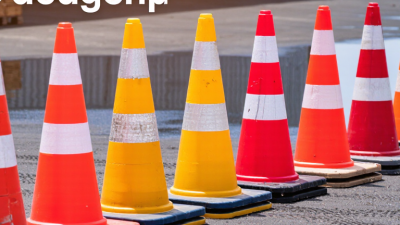
Common heights include 18, 28, and 36 inches, roughly 45, 70, and 90 centimeters. Smaller cones work near entrances, warehouse aisles, and indoor maintenance zones. The 28-inch size offers a practical balance for many general warnings. Tall 36-inch cones are easier to notice beside traffic lanes or large vehicles. Reflective collars improve visibility in headlights, but they need secure bonding. Bright color helps during daylight; it cannot replace correct placement. Size selection still depends on wind, viewing distance, and storage space. Sometimes the cheapest option is not the most reliable.
| Common Cone Type | Typical Height | Common Materials | Typical Base Design | Visibility Features | Common Applications | Key Buying Considerations |
|---|---|---|---|---|---|---|
| Light-Duty Indoor Caution Cone | 45–50 cm 18–20 in |
PVC PE | Small square or circular base; lightweight construction | Bright orange or yellow body; optional single reflective band | Wet floors Cleaning areas Retail facilities | Easy portability is more important than wind resistance. Suitable for controlled indoor environments. |
| Standard Road Traffic Cone | 70–75 cm 28–30 in |
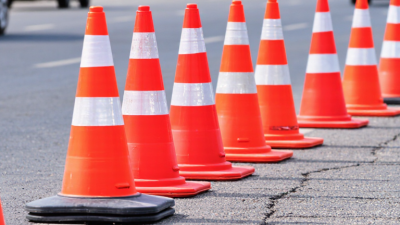
Flexible PVC PE | Heavy square rubber or PVC base with rounded corners | One or two reflective collars; fluorescent orange body is common | Road maintenance Parking control Construction sites | A practical general-purpose size. Check base weight, collar width, stacking height, and local visibility requirements. |
| High-Visibility Highway Cone | 90 cm 36 in |
Flexible PVC Rubber base | Extra-heavy square base designed for improved stability | Two wide reflective collars are commonly used for night visibility | High-speed roads Motorways Long-term work zones | Choose a design tested for the intended road environment. Reflective performance, wind stability, and impact recovery are important. |
| Compact Parking Cone | 30–45 cm 12–18 in |
PVC PE | Compact flat base; optimized for storage and frequent handling | Bright body; reflective band may be included on taller versions | Private parking Driveways Event spaces | Useful where storage space and low transport weight matter. Not normally intended for high-speed traffic control. |
| Collapsible or Folding Cone | 45–75 cm 18–30 in |
PVC fabric ABS or PP frame Rubber base | Foldable body with hinged or telescopic structure | Reflective bands; some designs include a flashing warning light | Vehicle emergency kits Service vehicles Temporary hazards | Evaluate folded dimensions, deployment time, hinge durability, battery requirements, and resistance to wind. |
| Weighted Wind-Resistant Cone | 70–90 cm 28–36 in |
Flexible PVC Recycled PVC Rubber base | Large weighted base, often with a broad footprint and drainage channels | High-contrast orange body with one or two reflective collars | Outdoor works Airports Bridge maintenance | Prioritize base mass, footprint, impact recovery, and performance in rain or strong wind. Confirm total shipping weight. |
| Barrier-Connector Traffic Cone | 70–90 cm 28–36 in |
PVC PE Rubber base | Stable base with sockets or slots for barrier boards, chains, or tape | Reflective collars or reflective panel; high-contrast body colors | Pedestrian channels Facility maintenance Crowd management | Check connector compatibility, system stability, barrier length, and whether the assembled system requires additional anchoring. |
| Flexible Impact-Recovery Cone | 70–90 cm 28–36 in |
Soft PVC TPR Rubber base | Flexible cone body attached to a weighted base; designed to return upright after impact | One or two reflective bands, depending on the intended use | Temporary lane separation Training areas Vehicle access control | Review recovery performance, cold-weather flexibility, color stability, and resistance to repeated vehicle contact. |
| Recycled-Material Caution Cone | 45–90 cm 18–36 in |
Recycled PVC Recycled PE Rubber base | Design varies from lightweight indoor bases to heavy outdoor bases | Fluorescent body and optional reflective collars; color consistency should be verified | Facility programs Public works Sustainability-focused purchasing | Ask for recycled content documentation, durability results, odor information, color consistency, and end-of-life options. |
Typical dimensions and materials vary by market, application, and local road-safety requirements. Buyers should verify applicable national standards, reflective-performance requirements, color specifications, and wind-stability criteria before placing an order.
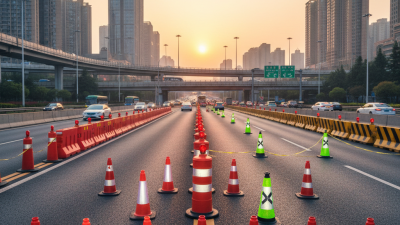
Traffic cones are not interchangeable. Standard traffic cones guide vehicles around roadworks, lane changes, and temporary hazards. They usually need a stable rubber base, bright orange color, and reflective bands. The Federal Highway Administration’s 2023 Manual on Uniform Traffic Control Devices specifies minimum cone heights and nighttime visibility requirements for many U.S. road applications.
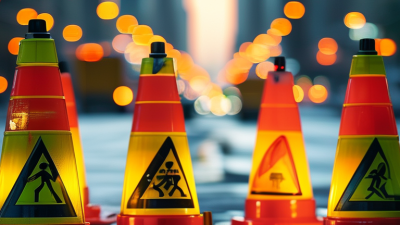
Safety cones cover a broader category. They may mark wet floors, warehouse aisles, loading areas, or restricted zones. Their design often favors indoor handling rather than vehicle visibility. Folding cones suit emergency kits and service vehicles because they collapse quickly. However, their hinges and fabric bodies can weaken after repeated folding. Lighted cones add battery-powered illumination for darkness, fog, or poorly lit work areas. They improve recognition, but batteries require inspection and replacement. A light cannot repair an unstable base.
FHWA work-zone safety data recorded 891 deaths in U.S. work-zone crashes during 2022. That figure makes visibility more than a purchasing detail. Yet cones alone cannot protect workers. I have seen buyers overvalue color and ignore wind resistance. That is an easy mistake.
Tips: Match cone height, base weight, reflective performance, and storage space to the site. Check performance markings against local requirements. Test folding parts before bulk orders. For lighted models, inspect battery access, lamp visibility, and water resistance. A small field trial may reveal problems that a specification sheet misses.
Choosing caution cones is less about color alone and more about how they perform in real working conditions. Buyers should compare material, visibility, stability, and handling before placing a large order. A cone that looks bright indoors may fade quickly under strong sunlight. Details matter.
Flexible PVC or similar impact-resistant materials can recover after light vehicle contact. Recycled content may support sustainability goals, but quality can vary between batches. Ask for material specifications and inspect sample cones for cracks, sharp edges, or uneven surfaces. I once tested cones with a narrow base, and they moved easily on wet pavement.
Height and base width should match the working environment. Taller cones are easier to notice near busy access points, while compact models suit indoor aisles and storage areas. A weighted base improves stability in wind, but excessive weight makes transport slower. Compare the balance carefully. Workers should be able to carry several cones without strain.
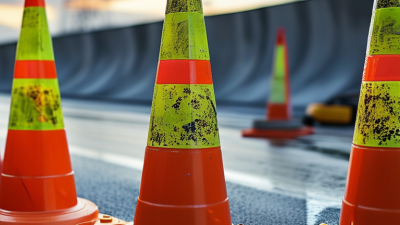
Reflective bands deserve close attention, especially for evening visibility. Check their width, bonding, and performance after cleaning. Color contrast also matters against asphalt, concrete, and pale flooring. Buyers should review temperature resistance, UV durability, stacking efficiency, and packaging damage. Test them outdoors. A small trial often reveals problems that a product sheet misses. It is tempting to choose the lowest price, but replacement frequency can make that decision surprisingly expensive.
Selecting a caution cone starts with the hazard, not the catalog photograph.
A 450 mm cone may suit indoor aisles, while roadwork usually needs a taller, heavier model.
891
FHWA’s 2022 Work Zone Safety Fact Sheet recorded 891 work-zone fatalities in the United States.
1.19 million
WHO’s Global Status Report on Road Safety 2023 estimates 1.19 million road deaths worldwide.
These figures do not prove cones prevent crashes. They do show why visibility and stability deserve careful testing.
For daylight, choose durable PVC or polyethylene with a broad, weighted base. For night work, check reflective performance, not merely the collar’s presence. Verify color, height, retroreflective class, and spacing against local traffic-control requirements, such as ASTM D4956 or EN 13422 where applicable.
In wind or passing-vehicle turbulence, test the cone on the actual surface. A heavy base helps, but excessive weight increases handling risks.
A taller cone is not always better. It can block sightlines in a warehouse or become difficult to store.
Global buyers should request technical datasheets, batch traceability, UV and temperature ranges, and sample-drop results.
Collapsible cones fit emergency vehicles, but repeated folding may reduce service life. Test it first. Check the base on wet concrete, asphalt, and uneven floors.
I would not choose by unit price alone. That sounds obvious, yet procurement sheets still do it. Compare cost per usable service month, then document the decision against the application.