SSI Traffic Solutions: Traffic Safety Products in USA and Canada
Traffic Safety Products in USA and Canada

What Is a Road Cone and Which Type Do You Need? The answer depends on location, traffic speed, weather, and the warning distance required. Road cones guide drivers, pedestrians, and workers around changing hazards. They are not merely bright plastic markers. Their shape, color, weight, reflective bands, and base design affect real-world safety.
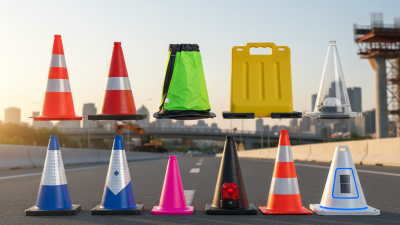
Paul J. Carlson, a respected work-zone safety researcher, offers a useful reminder: “Visibility is the first duty of every traffic-control device.” That principle matters at dusk, in rain, and beside fast-moving vehicles. A lightweight PVC cone may suit indoor maintenance or short-term parking control. A heavy-base cone is more practical on windy roads. Reflective collars improve nighttime recognition. Collapsible cones save space during emergency response, while LED-equipped versions can add attention in poor visibility.
Choosing well requires more than comparing prices. Check the cone’s height, base stability, reflective performance, and resistance to cracking. A small cone may disappear behind a vehicle. A very heavy cone may be difficult to deploy quickly. The “best” option is not universal.
This guide examines common road cones, their practical differences, and the situations each type handles best. It also questions a common assumption: brighter does not always mean safer. Placement, spacing, and maintenance still matter. Even a high-quality cone becomes unreliable when its reflective bands are dirty, its base is damaged, or wind moves it from position. Real sites are imperfect. Your selection should allow for that.
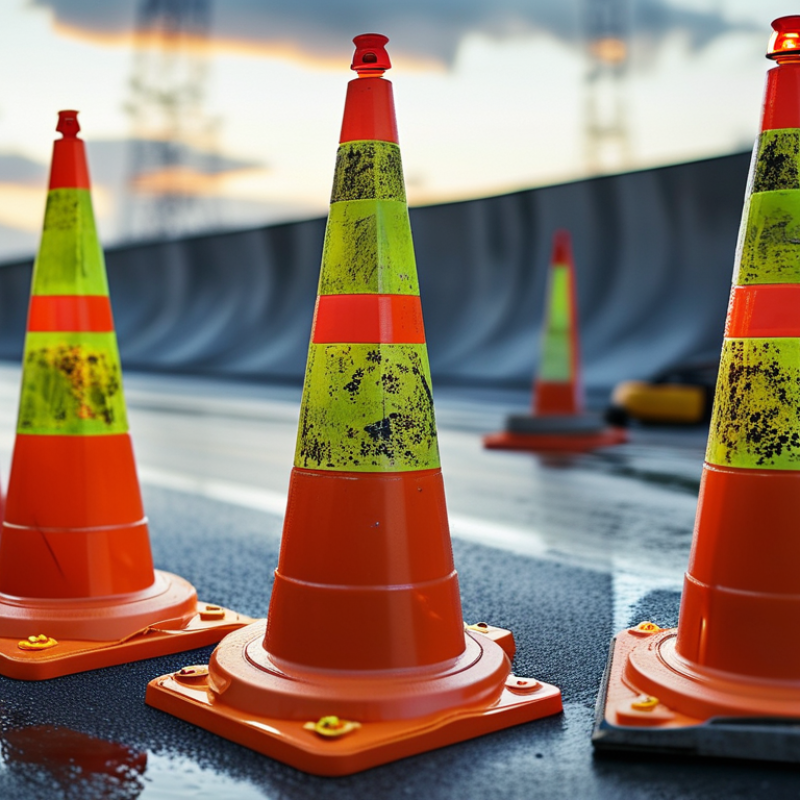
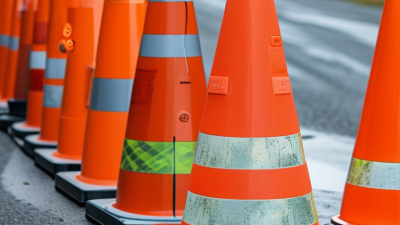
A road cone is a portable, highly visible warning device used to mark temporary hazards. It creates a clear visual boundary around work areas, damaged surfaces, obstacles, or changing traffic paths. Most cones use bright orange material, a wide weighted base, and one or more reflective bands. These features improve visibility in daylight, rain, and low-light conditions. Its core function is simple: warn people early and guide movement safely. It does not physically stop vehicles or replace a complete safety plan.
The right cone depends on its location and purpose. Small cones work well in indoor areas, parking spaces, and low-speed zones. Taller cones are easier to notice near active roads or large vehicles. A heavy base can improve stability during wind, but it also makes handling harder. From practical use, I have learned that visibility is often underestimated. A cone may look bright in storage yet appear dull beside headlights or wet pavement. Damaged reflective bands, cracked bases, and faded surfaces can reduce its warning value. That assumption is risky.
Tips: Check each cone before use. Place it where people can see it early, not beside the hazard. Keep a consistent gap between cones. Avoid blocking walkways without providing a clear route. Recheck their position after strong wind, rain, or nearby vehicle movement.
Minimum cone heights by roadway context under U.S. roadway-work-zone guidance
A road cone is a portable traffic-control device used to channel vehicles and pedestrians, mark hazards, separate work areas, and improve visibility. Cones should be selected according to traffic speed, roadway context, visibility conditions, and the need for added stability. The chart shows the commonly specified minimum heights of 28 inches for general roadway use and 36 inches for freeways, expressways, and other high-speed highways.
Reference basis: U.S. Manual on Uniform Traffic Control Devices (MUTCD) requirements for traffic cones.
Standard traffic cones are common for short-term lane guidance, maintenance areas, and pedestrian separation. Their bright color improves daytime visibility. Reflective collars help drivers notice them after dusk or during rain. A wider base adds stability on smooth pavement, but it may still move in strong wind.
Heavy-duty cones suit exposed roads, construction entrances, and busy vehicle routes. They usually have thicker walls and heavier bases. This design resists tipping and repeated handling. Tall cones provide better visibility behind parked vehicles or near bends. However, height alone does not guarantee safety. Poor placement can still leave a hazard poorly marked.
Collapsible cones are useful for service vehicles, emergency storage, and indoor facilities. They fold flat and save space. Their flexible bodies reduce impact damage, although they may offer less resistance in severe weather. Cones with flashing lights improve visibility in darkness, tunnels, and heavy rain. They need regular battery checks. A dead light is easy to overlook.
Choose a cone by considering location, traffic speed, weather, storage, and working time. On a windy roadside, weight matters more than convenience. In a warehouse, a compact model may be enough. Reflective bands should remain clean and undamaged. Dirt can weaken their performance. A common mistake is selecting the cheapest cone without checking its base, height, or reflective area. No single type fits every site. Local road authorities may also require specific dimensions or visibility features.
What Is a Road Cone and Which Type Do You Need?
How to Choose the Right Road Cone for Each Situation
Choosing a road cone starts with speed, visibility, and exposure. For parking areas or slow-moving traffic, a compact cone with a stable base may be enough. It should remain visible beside vehicles, not disappear behind them. On highways, choose taller, heavier cones with wide reflective bands. The latest FHWA Manual on Uniform Traffic Control Devices requires channelizing devices to be crashworthy and properly visible. Height rules can vary by roadway and jurisdiction. Check the local edition before purchasing.
Night work requires strong retroreflective material, not merely bright orange plastic. The 2022 Traffic Safety Facts report from NHTSA recorded 891 work-zone fatalities in the United States. That figure makes nighttime visibility a practical safety decision, not a design preference. For windy locations, select a weighted base or a compatible ballast system. Avoid improvised weights that can create new hazards. In freezing conditions, inspect the cone for cracking before every shift.
Pedestrian areas need cones that are easy to recognize and difficult to tip. Pair them with approved barriers when people must be separated from moving traffic. A cone alone is often insufficient. I have seen teams choose the tallest option automatically, yet excessive size can obstruct sightlines in tight spaces. The better choice depends on the scene, not habit. Review the FHWA guidance, workplace risk assessment, and site conditions together.
How to choose the right road cone for each situation
| Road Cone Type | Typical Height | Key Features | Best-Suited Situations | Recommended Surface or Environment | Selection Considerations |
|---|---|---|---|---|---|
| Small Traffic Cone | 300–450 mm | Lightweight, compact, and easy to carry. Usually fitted with a simple colored body and may include a reflective band. | Marking indoor hazards, parking spaces, temporary access restrictions, warehouse aisles, and low-speed private areas. | Smooth indoor floors, car parks, driveways, and controlled sites with limited wind exposure. | Not suitable for high-speed roads or locations where strong wind, vehicle turbulence, or poor visibility is expected. |
| Standard Road Cone | 700–750 mm | Highly visible profile with a broad weighted base and one or more reflective bands for improved recognition. | General road maintenance, lane guidance, roadside work, parking control, and temporary traffic separation. | Urban streets, low- to medium-speed roads, construction areas, and paved surfaces. | A practical general-purpose choice. Confirm the required height, color, reflective performance, and spacing with local traffic regulations. |
| Heavy-Duty Traffic Cone | 750–1000 mm | Larger body, heavier base, increased stability, and strong visual presence. Often includes high-visibility reflective bands. | High-traffic roads, exposed work zones, temporary lane closures, bridge work, and areas affected by passing vehicles. | Outdoor paved surfaces, windy locations, highways, and sites requiring greater resistance to displacement. | Choose a heavier base where cones must remain upright. Weight alone does not replace approved barriers or crash-protection equipment. |
| Reflective Night-Use Cone | 700–1000 mm | Includes reflective collars or bands that return light from vehicle headlights and improve nighttime conspicuity. | Night roadwork, emergency scenes, poorly lit streets, temporary lane changes, and work areas operating after dark. | Roads and work zones with limited ambient lighting or frequent vehicle approach at night. | Reflective material must be clean and undamaged. Reflective cones improve visibility but do not replace warning lights when lighting conditions require them. |
| High-Visibility Cone | 750–1000 mm | Uses a bright fluorescent body, commonly orange or red-orange, sometimes combined with contrasting reflective bands. | Daytime construction, utility work, pedestrian hazards, road inspections, and areas requiring quick visual recognition. | Daylight conditions, urban work zones, temporary maintenance areas, and locations with background clutter. | Fluorescent colors are most effective in daylight. For nighttime use, select a model with suitable reflective elements as well. |
| Collapsible Traffic Cone | 450–750 mm when deployed | Spring-loaded or flexible construction that folds flat for storage and transport; commonly supplied with reflective bands. | Vehicle breakdown kits, emergency response vehicles, patrol use, temporary parking control, and rapid deployment. | Short-term outdoor use on relatively even paved surfaces. | Convenient for storage but may be less stable than a rigid heavy-duty cone. Check the base design before using it in windy conditions. |
| Flexible Impact-Resistant Cone | 700–900 mm | Made from flexible material that can bend or recover after contact, helping reduce damage from incidental vehicle strikes. | Car parks, vehicle access routes, training areas, traffic-calming locations, and work zones with frequent minor contact. | Paved surfaces, parking facilities, loading areas, and sites where repeated handling or contact is likely. | Useful for repeated temporary placement. It should not be treated as a substitute for certified protective barriers in dangerous work zones. |
| Weighted Base Cone | 700–1000 mm | Features an extra-heavy or enlarged base to improve resistance to wind, vehicle turbulence, and accidental movement. | Open roadside areas, bridge approaches, airport service areas, exposed construction sites, and long-duration placements. | Outdoor locations with wind exposure, uneven weather conditions, or frequent nearby vehicle movement. | Verify that the base sits flat and does not create a trip hazard. Select the required weight according to site conditions and local guidance. |
| Cone with Warning Light Attachment | 700–1000 mm | Designed to accept a battery-powered warning lamp or similar accessory, improving recognition in darkness or reduced visibility. | Nighttime road closures, emergency incidents, tunnels, temporary diversions, and work zones with limited sight distance. | Dark, foggy, rainy, or otherwise low-visibility environments, subject to local equipment requirements. | Use only compatible, securely mounted lights. A warning light supplements the cone and does not replace required signs, barriers, or trained traffic control. |
| Pedestrian and Cycle-Route Cone | 450–750 mm | Compact but clearly visible design, often enhanced with reflective markings for people approaching on foot or by bicycle. | Footpath repairs, cycle-lane maintenance, event routes, temporary walkway diversions, and separation from minor hazards. | Sidewalks, cycle paths, public spaces, school areas, and low-speed environments. | Use additional pedestrian barriers where people need a defined protected route or where an excavation, drop, or moving-traffic hazard is present. |
Important: Cone dimensions, colors, reflective requirements, spacing, and permitted uses vary by country, road authority, and work-zone classification. Always follow the applicable traffic-control regulations and site risk assessment.
Road cones use flexible PVC or polyethylene bodies with weighted rubber bases. PVC bends readily after impact, while polyethylene often resists cracking in cold conditions. Recycled rubber bases improve stability, but they increase carrying weight. That trade-off matters. For temporary work zones, choose a cone that returns upright after vehicle-generated air movement. A lightweight cone may look adequate, yet it can drift beside fast traffic.
Color and visibility are practical safety controls, not decoration. The Federal Highway Administration’s Manual on Uniform Traffic Control Devices, 11th Edition (2023), specifies predominantly orange cones and requires retroreflective elements for nighttime recognition. White reflective bands create a sharp contrast against orange plastic. Fluorescent orange improves daytime detection, especially near gray asphalt. However, dirty or scratched bands can lose performance. Inspect them often.
Size should match speed, exposure, and viewing distance. The same FHWA standard identifies 28 inches as the minimum cone height for many U.S. traffic-control applications. The UK Department for Transport’s Traffic Signs Manual, Chapter 8, commonly uses 750-millimeter cones on higher-speed roads. Smaller 450- or 500-millimeter cones may suit slower, protected areas, depending on local requirements. In field use, I have seen teams select cones by price alone. That choice deserves reconsideration. A taller, weighted cone with clear reflective bands usually communicates danger earlier, but no cone replaces a properly designed traffic-control plan.
Road cones create a visible boundary between moving traffic and temporary hazards. The right choice depends on speed, weather, location, and work duration. The FHWA Manual on Uniform Traffic Control Devices requires most traffic cones to be at least 28 inches high. Higher-speed roads may need larger, more reflective devices. A small cone can disappear beside a truck.
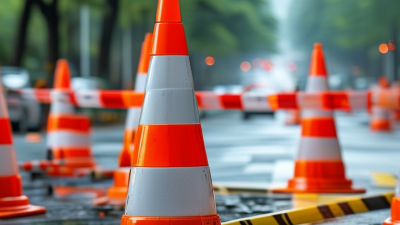
Placement must form a clear visual path, not a random line. Keep cones evenly spaced and align them with signs, barriers, and work vehicles. Place the first cone far enough ahead to give drivers time to react.
The FHWA reported 891 work-zone traffic deaths in 2022. That figure shows why spacing and visibility deserve careful attention. Cones should stand upright on stable surfaces. Wind, rain, mud, and vehicle drafts can move them. Check every cone after weather changes or site access.
Use weighted or fluorescent cones where conditions demand them. Store cones vertically in a dry, shaded area, away from fuel, solvents, and sharp equipment. Heat can soften plastic. Sunlight can fade reflective bands. Inspect each unit for cracks, splitting, missing bands, and distorted bases. Clean dirt from reflective surfaces with mild soap and water. Do not rely on appearance alone. A bright cone may still be brittle.
The weak point is often human judgment. Crews may place cones correctly, then stop checking them. That is not enough. OSHA 29 CFR 1926.200 also stresses that temporary traffic controls must remain visible while work is active.
A cone is a warning device, not a complete safety system.