SSI Traffic Solutions: Traffic Safety Products in USA and Canada
Traffic Safety Products in USA and Canada

Street cones appear simple, but choosing the right one involves more than comparing colors and prices. They guide drivers, pedestrians, workers, and visitors around changing hazards. A lightweight cone may suit a short indoor task, while a heavier model can remain stable beside a busy driveway. The wrong choice can tip in wind, fade under sunlight, or become hard to see at dusk.
This guide explains what street cones are and how their features affect daily use. We will examine height, base weight, materials, reflective bands, portability, and storage. Bright orange PVC is common, but recycled rubber bases may provide better stability. Some cones include detachable signs, lights, or chain connectors. These additions can help, although they may increase maintenance needs and cost.
Practical experience matters here. A cone that works well on smooth concrete may perform poorly on gravel, wet grass, or uneven asphalt. I have also found that “heavy-duty” labels can be vague without clear measurements. Check the product weight, base dimensions, visibility details, and intended environment before buying. Local safety requirements may also influence your decision, so reliable supplier information deserves attention. No single cone fits every situation. The best choice balances visibility, stability, handling, and budget.
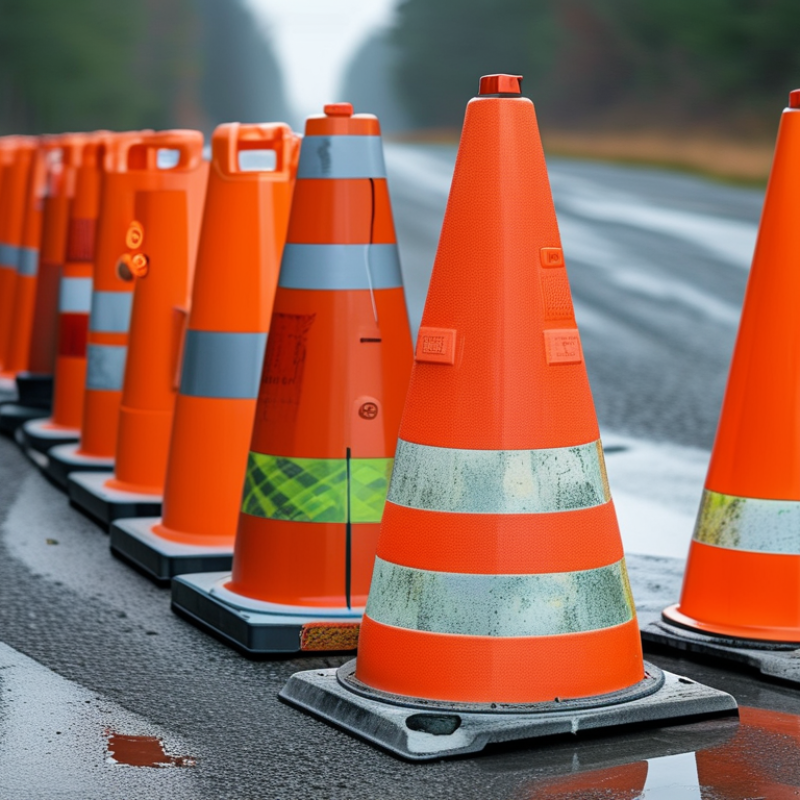
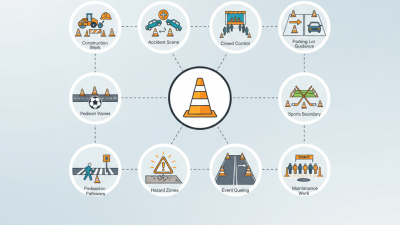
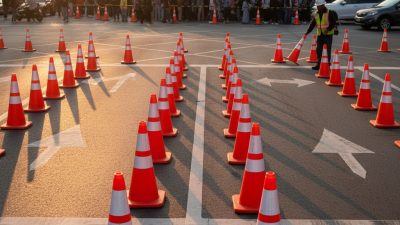
Street cones are portable traffic-control devices used to guide people and vehicles around temporary changes. They mark hazards, narrow lanes, closed work areas, and restricted parking spaces. Most cones use flexible plastic that bends after light contact. Bright colors improve daytime visibility. Reflective collars help drivers notice them after dark. Good placement matters.
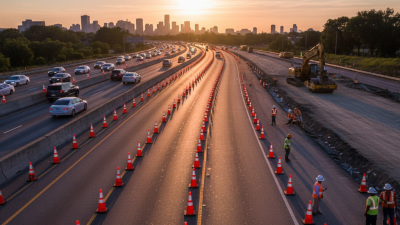
In practice, cones create a visible line without building a permanent barrier. A single cone can mark a small hazard, such as a wet patch or loose surface. Several cones can guide traffic around maintenance work. They can also keep pedestrians away from machinery, tools, or freshly repaired pavement.
A cone is not a wall. People may move it, ignore it, or fail to see it. I have seen cones placed too far apart, leaving confusing gaps. That small mistake can reduce their value.
The right type depends on location, traffic speed, weather, and expected contact. Choose taller cones for roads or areas with limited visibility. Smaller cones may suit indoor floors, private lots, or controlled events. A wide, weighted base offers better stability in wind. Reflective material is important near roads and during nighttime use.
Check local safety requirements before buying, since dimensions and markings can vary. A common oversight is choosing a lightweight cone for an exposed area. It may tip quickly. Not ideal. A practical inspection should check cracks, fading, damaged collars, and worn bases before every use.
Street cones are temporary traffic-control devices that guide drivers, cyclists, and pedestrians around changing hazards. Their differences are practical, not decorative. The Federal Highway Administration reported 891 work-zone fatalities and 37,701 injuries in 2022. Visibility and stability therefore deserve careful attention.
Height is the first defining feature. An 18-inch cone suits low-speed areas, parking facilities, or indoor access routes. A 28-inch cone offers stronger visibility for ordinary roadside control. Taller 36- or 42-inch cones work better near fast traffic, large vehicles, or nighttime operations. Always check local traffic-control requirements. Rules can vary.
Reflective collars are equally important. Look for wide, continuous bands that return headlight glare clearly. ASTM International’s D4956 specification provides a recognized reference for retroreflective sheeting performance. A heavy recycled-rubber base improves resistance to wind and passing vehicles, but it makes handling harder. Some cones use flexible bodies, while collapsible designs save storage space. They may not withstand repeated impacts equally well. Inspect the collar for peeling, fading, and dirt. Small defects matter. A fluorescent orange body improves daytime contrast, while reflective material supports nighttime recognition. I would avoid choosing only by price; that shortcut often ignores placement, wind exposure, and replacement frequency. No cone is perfect.
| Street Cone Type | Typical Height | Common Materials | Base and Stability | Visibility Features | Best-Suited Applications | Main Advantages | Important Limitations |
|---|---|---|---|---|---|---|---|
| Standard Traffic Cone | Approximately 45–75 cm (18–30 in) |
Flexible PVC or polyethylene body with a separate rubber or recycled-rubber base | Square or rectangular base that provides general resistance to tipping on paved surfaces | High-visibility orange body; reflective bands are commonly added for night use | Parking control, temporary lane guidance, driveway hazards, school zones, and general roadside warning |
|
Smaller or lighter models can be moved by strong wind, vehicle turbulence, or contact with traffic. |
| Heavy-Duty Traffic Cone | Approximately 75–90 cm (30–36 in) |
Thick, impact-resistant PVC or polyethylene with a dense rubber base | Wide, heavy base designed for improved stability and repeated outdoor use | Large reflective bands or collars improve recognition in headlights and low-light conditions | Road construction, work zones, high-speed roads, exposed areas, and locations with frequent handling |
|
Heavier to transport and store; the base and body require more storage space than compact models. |
| Collapsible Traffic Cone | Usually about 45–70 cm (18–28 in) when extended |
Flexible fabric, coated synthetic material, plastic sections, and a spring or hinged mechanism | Flat-folding base, often weighted with rubber or another dense material | Reflective stripes are commonly integrated into the collapsible body | Vehicle emergency kits, patrol vehicles, temporary breakdown warnings, and compact storage areas |
|
Moving parts and flexible materials may be less durable than a one-piece heavy-duty cone under constant outdoor use. |
| High-Visibility Reflective Cone | Approximately 70–90 cm (28–36 in) |
Flexible PVC or polyethylene body with reflective sheeting or reflective collars | Weighted square base; stability depends on the base mass, surface, and weather conditions | One or more contrasting reflective bands designed to return vehicle headlight illumination | Nighttime roadwork, parking areas, tunnels, events, and low-light maintenance zones |
|
Reflective performance can decline when the bands are dirty, damaged, worn, or incorrectly positioned. |
| Weighted-Rubber-Base Cone | Approximately 45–90 cm (18–36 in) |
Flexible PVC or polyethylene cone with a dense rubber or recycled-rubber base | Heavier base lowers the center of gravity and helps resist tipping on smooth, level pavement | May include reflective bands; visibility depends on cone color, height, and lighting | Wind-prone parking lots, outdoor events, building entrances, loading areas, and long-duration placement |
|
Rubber bases are heavy and can be difficult to carry in large quantities; they may soften or age under prolonged heat exposure. |
| Lighted or LED Traffic Cone | Approximately 45–90 cm (18–36 in) |
Plastic or PVC body with an integrated battery-powered LED module | Usually paired with a weighted base; stability is determined mainly by the base design | Flashing or steady LED light, often combined with reflective bands and a bright orange body | Nighttime emergencies, tunnel work, poor-visibility conditions, utility repairs, and incident scenes |
|
Requires battery checks and maintenance; electronic components may be vulnerable to water, impact, or extreme temperatures. |
| Low-Profile Parking Cone | Approximately 30–45 cm (12–18 in) |
Flexible PVC, polyethylene, or molded rubber | Compact base designed for indoor or low-speed paved areas | Bright color; reflective bands may be included but are less common than on full-height road cones | Private parking spaces, warehouses, garages, pedestrian areas, and short-term indoor warnings |
|
Short height and limited visibility make it unsuitable for high-speed roads or locations where long-distance detection is required. |
Buying guidance: Choose the cone height, base weight, reflective treatment, and lighting according to traffic speed, exposure to wind, placement duration, and day or night operating conditions. Always check the road authority or workplace-safety requirements that apply to your location before purchasing.
Street cones guide drivers, pedestrians, and workers around temporary hazards. Choosing one requires more than checking its color. Match the cone to traffic speed, weather, visibility, and placement time. The Federal Highway Administration reported 891 work-zone fatalities in 2022. That number makes visibility a practical safety decision, not a design preference. For faster roads, choose cones at least 28 inches high, with wide bases and reflective bands. The 2023 Manual on Uniform Traffic Control Devices supports this height for many roadway applications. Smaller cones may suit indoor areas, parking lots, or low-speed private sites.
Tips: Check the base first. A heavy, flexible base resists wind and repeated impacts. Choose high-intensity reflective material for night work. Bright color helps during daylight. Do not rely on color alone. Dirt, rain, and headlights can reduce recognition. ASTM D4956-compliant reflective sheeting is a useful performance reference, but certification details still deserve inspection.
In my experience, cheap lightweight cones often move before anyone notices. That creates confusing gaps. I once underestimated wind near an open loading area; the cones needed heavier bases than expected. The lesson was uncomfortable but useful. For frequent outdoor use, select UV-resistant material and a design that stacks without deforming. For occasional indoor marking, portability may matter more than maximum weight. Measure the available storage space too. A cone that cannot be stored properly will not remain available when needed. Recheck local traffic-control requirements before purchase, because site conditions and road classifications can change.
Street cones are temporary channelizing devices used to guide road users around hazards, work areas, and changing lanes. They do not stop traffic by themselves. Their value comes from shape, color, height, stability, and correct placement. For active roads, choose a cone that remains upright after wind, passing vehicles, or a light brush. A wide rubber base helps. It also reduces movement on uneven pavement.
Visibility depends on distance, weather, and road speed. Bright fluorescent colors help during daylight, while retroreflective bands return headlight beams at night. Use cones with clean, continuous bands, not faded strips or torn surfaces. Many road authorities require specific colors, minimum heights, band widths, and spacing. In the United States, follow the current MUTCD and local work-zone rules. Requirements differ. Check them before buying.
For low-speed private areas, lighter cones may be adequate when regulations allow them. For public roads, select heavier, taller units designed for the posted conditions. Flexible cones suit temporary lane guidance, while weighted models offer better stability in wind. Add warning lights only when the traffic plan permits them. Do not place cones randomly. Spacing should create a clear visual path and match the approved control plan. A cone can meet a general standard yet fail a local requirement. That is an easy mistake to make. Measure the base, inspect the bands, and confirm certification documents before ordering.
Street cones are portable tools for marking hazards, work areas, and temporary changes in vehicle or pedestrian movement. Most are made from PVC or polyethylene. PVC usually feels more flexible and recovers well after light impacts. Polyethylene can be lighter, but some versions become brittle in cold weather. A wide rubber base adds stability on uneven pavement. It also reduces sliding when vehicles pass nearby.
Choose the cone height according to visibility, space, and expected traffic. Small cones suit indoor areas, parking spaces, and short pedestrian routes. Taller cones are more noticeable beside roads or large vehicles. Reflective collars and high-intensity bands improve visibility at night and during rain. Color matters too. Bright orange is easy to recognize against asphalt and concrete. I once assumed that a heavier cone was always safer. Field use proved otherwise; workers moved lighter cones more consistently.
Accessories can make a basic cone more useful.
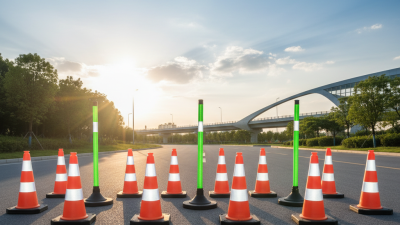
Cone bars create a temporary visual barrier between two points. Warning lights help during low-light work, but they need secure fittings and regular battery checks.
Sign holders allow clear instructions without placing separate boards on the ground. Sandbags or weighted bases may help in strong wind.
Do not overload a cone with unnecessary attachments. It can become unstable.
Check the hinge, collar, and base before each use, especially after storage in a hot vehicle. A quick inspection is easy to skip, yet damaged reflective material may remain unnoticed until visibility is poor.