SSI Traffic Solutions: Traffic Safety Products in USA and Canada
Traffic Safety Products in USA and Canada

Why Choose Traffic Barrels for Road Safety?
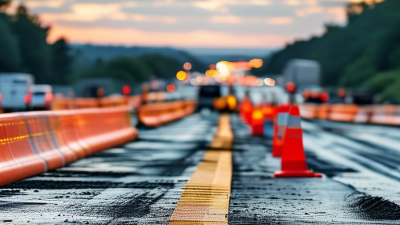
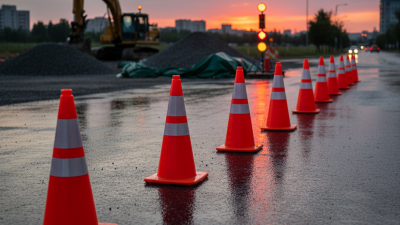
Traffic barrels provide a visible, flexible boundary between moving vehicles and changing road conditions. Their bright orange bodies catch attention during daylight. Reflective bands help drivers recognize them after sunset. Their rounded shape also guides vehicles away from hazards without creating a rigid wall.
Claes Tingvall, a leading road-safety expert and pioneer of Sweden’s Vision Zero approach, stated, “No one should be killed or seriously injured within the road transport system.” This principle explains why traffic barrels matter. They do not merely mark construction zones. They create visual separation around lane closures, pavement repairs, temporary detours, and roadside work. Crews can reposition them as conditions change. Drivers receive clearer guidance before reaching a narrow lane or exposed work area.
Small details affect their performance. A barrel should remain upright, clean, highly visible, and properly weighted for its location. Damaged reflective strips can reduce recognition. Poor spacing can confuse drivers. Placement should follow approved traffic-control plans and professional judgment.
They are not perfect.
Traffic barrels cannot replace trained workers, clear signs, safe speeds, or regular inspections. I have seen how one tilted barrel can weaken an otherwise understandable work zone. That detail deserves attention. Reliable road safety comes from combining practical equipment with disciplined planning. When selected correctly, traffic barrels offer a reusable and noticeable tool for protecting workers, guiding road users, and reducing unnecessary conflict near temporary hazards.
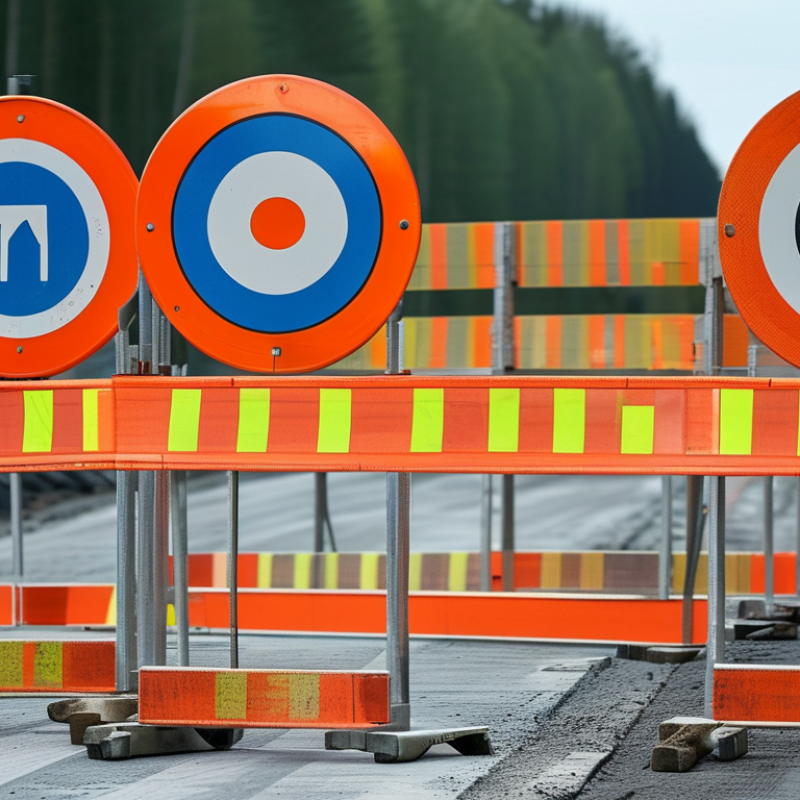
Traffic barrels, also called traffic drums, are highly visible channelizing devices used to guide drivers through changing road conditions. They separate moving vehicles from workers, closed lanes, shoulders, and temporary hazards. Their bright orange bodies and reflective bands remain noticeable in daylight and at night. Many include weighted bases, helping them stay upright during wind or passing traffic.
The Federal Highway Administration reported 891 work-zone fatalities in the United States during 2022. That figure shows why clear separation matters. Traffic barrels do not absorb major crash energy like engineered crash cushions. Their primary role is guidance, not impact protection. Under the Manual on Uniform Traffic Control Devices, drums must meet visibility, color, and placement requirements for temporary traffic control. Correct spacing creates a readable path, especially near lane shifts and narrow work areas.
Field experience shows that small details can change driver behavior. A leaning barrel may suggest poor control. A missing reflective strip can disappear in rain. Crews should inspect bases, spacing, and visibility throughout each shift. Placement also needs adjustment when traffic speeds, weather, or work limits change. Barrels are useful, but they are not magic. I still think their effectiveness depends more on disciplined installation than appearance alone. A clean, continuous line gives drivers less to guess. That matters when seconds are limited.
Traffic barrels, also called drums, are highly visible channelizing devices used to guide road users through work zones and separate traffic from hazards. Their larger profile helps improve daytime conspicuity compared with smaller temporary devices.
Under the U.S. Manual on Uniform Traffic Control Devices, drums have a minimum height of 36 inches, exceeding the minimum height specified for cones and vertical panels. Their size, alternating orange-and-white bands, and stable design make them suitable for clearly marking work-zone boundaries while remaining detectable by approaching drivers.
Source: U.S. Manual on Uniform Traffic Control Devices, 11th Edition, temporary traffic-control device requirements.
Traffic barrels improve road safety by creating a clear, visible boundary around changing traffic paths. Their design matters more than their bright color.
The Federal Highway Administration recorded 891 work-zone fatalities in 2022. That figure shows why roadside devices need dependable visibility and crash performance.
Modern barrels usually use flexible, lightweight polyethylene. This material can deform during impact and reduce vehicle damage. A broad rubber or recycled-plastic base helps resist wind and minor contact.
Many units also accept water or sand ballast, but crews must follow approved loading instructions. High-intensity retroreflective bands return headlight beams toward drivers at night.
The MUTCD requires work-zone channelizing devices to remain visible, stable, and deformable. Field inspections should check cracked bands, faded surfaces, and loose bases.
Traffic barrels should also meet recognized crashworthiness criteria. The FHWA’s Manual for Assessing Safety Hardware, or MASH, evaluates how roadside devices perform during controlled vehicle tests.
However, compliance is not only a paperwork issue. Poor placement can narrow lanes, block drainage, or create confusing tapers. Small mistakes matter.
FHWA work-zone guidance emphasizes consistent spacing and clear alignment, especially near curves and nighttime operations.
In practice, crews should inspect barrels after storms, vehicle strikes, and pavement changes. A barrel that looks serviceable may still have hidden ballast or base damage. That detail is easy to miss.
Traffic barrels create a visible boundary between moving vehicles and changing road space. Their bright orange bodies stand out against asphalt, dust, and low daylight. Wide retroreflective bands return headlight beams toward approaching drivers. A driver sees the taper sooner, then has more time to slow down or merge.
Traffic barrels also support practical traffic control. Crews can form tapers, close a shoulder, protect workers, and guide vehicles around temporary hazards. The 11th edition of the Manual on Uniform Traffic Control Devices emphasizes consistent spacing, detectable patterns, and crashworthy temporary devices.
Placement matters. A barrel leaning into a travel lane may confuse drivers or narrow the intended path. That sounds simple, but it is not.
In field checks, teams should inspect damaged shells, faded reflective strips, and unstable bases before each shift. Night work needs extra attention. NCHRP Report 476 identifies effective nighttime delineation as a key part of temporary traffic control.
Barrels should work with signs, lighting, pavement markings, and suitable speed management. They are not a cure-all. Poor spacing can weaken an otherwise careful plan. Wind, rain, and glare still demand judgment.
Why Choose Traffic Barrels for Road Safety?
Common Applications of Traffic Barrels on Roads and Work Zones
Traffic barrels create a visible buffer between moving vehicles and temporary hazards. Their bright bodies, reflective bands, and weighted bases guide drivers through changing road conditions. The Federal Highway Administration recorded 891 work-zone fatalities in 2022. This figure shows why clear channelization remains essential.
Crews commonly place barrels beside lane closures, shoulder repairs, bridge maintenance, and utility work. They also define temporary lane shifts around paving machines and excavation areas. On multi-lane roads, a continuous barrel line can discourage sudden merging. At night, high-intensity reflective bands help headlights reveal the correct path. The Manual on Uniform Traffic Control Devices recommends drums for visible, temporary traffic separation.
Pedestrian routes need careful treatment too. Barrels can support separation near sidewalks, crossings, and protected access paths. However, they should not replace approved barriers where workers face high-speed traffic. Placement must follow the project’s traffic-control plan, spacing requirements, sight-distance checks, and local standards. Poorly aligned barrels can confuse drivers. That risk is easy to underestimate.
The FHWA’s 2022 work-zone data also highlights the human cost of temporary road changes. Supervisors should inspect barrel stability after impacts, strong winds, and nighttime setup. Field conditions change quickly. A technically correct layout may still fail when signs are hidden, lanes narrow unexpectedly, or pedestrians enter the work area. Traffic barrels work best as part of a coordinated system, not as isolated plastic markers.
Choosing traffic barrels requires more than checking their color. Start with visibility in the actual work area. Bright orange surfaces, wide reflective bands, and clear markings help drivers notice them at dusk, rain, and night. Select a barrel size that matches the road speed, lane width, and required separation distance. A small unit may be easy to move, but it can look weak beside large vehicles.
Material and stability matter equally. Flexible plastic can absorb minor impacts and reduce sharp debris after contact. A weighted base helps prevent movement from wind, passing trucks, or uneven pavement. However, excessive weight can slow relocation and increase handling risks for workers. Check the barrel’s temperature resistance, drainage design, and resistance to fading. Approved products should also meet relevant local roadwork standards. Requirements differ by region, so confirm them with the responsible traffic authority.
Field conditions often expose choices that seemed sensible on paper. A barrel may perform well on dry asphalt but shift on gravel or pooled water. Review the site after installation, especially near curves and lane merges. A perfectly universal barrel does not exist. Selection should balance visibility, impact performance, transport, storage, and worker handling. That balance is easy to overlook.