SSI Traffic Solutions: Traffic Safety Products in USA and Canada
Traffic Safety Products in USA and Canada

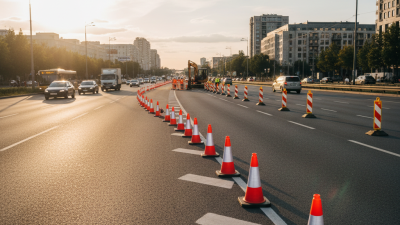
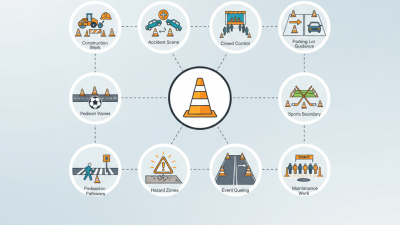
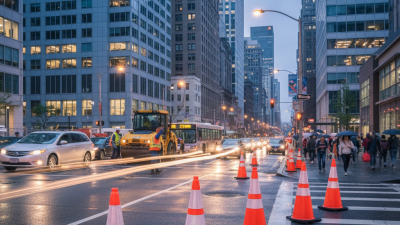
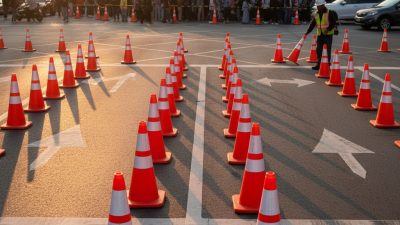
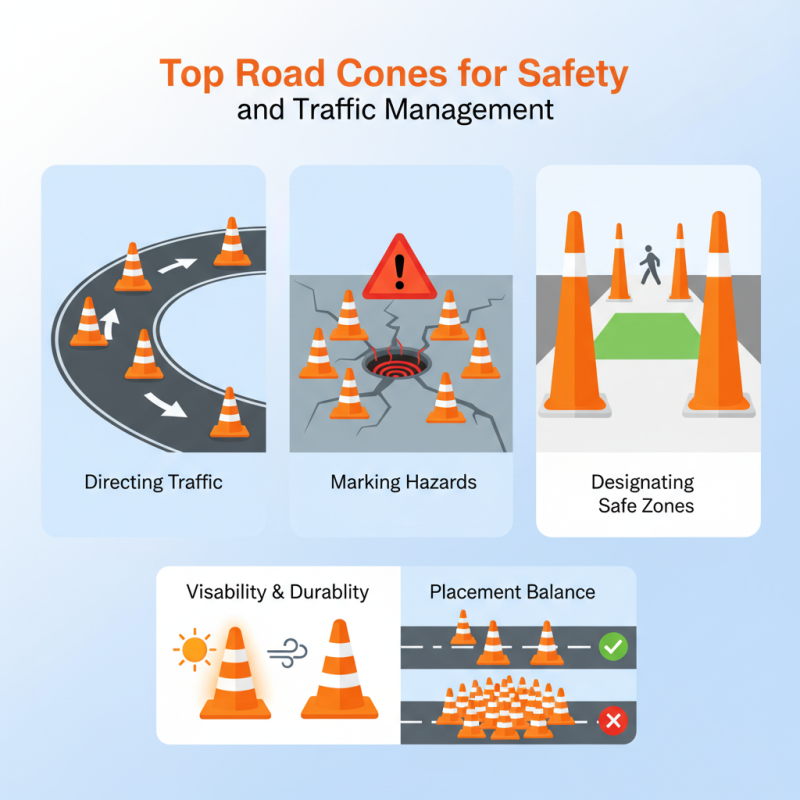
Road cones are essential tools in safety and traffic management. They are widely used to direct traffic, mark hazards, and designate safe zones. In urban environments, these vibrant cones help prevent accidents and enhance road safety. They come in various sizes and materials, ensuring visibility and durability under different conditions.
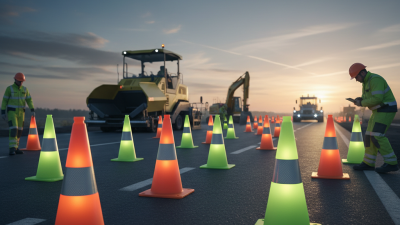
When selecting road cones, consider their reflectivity and height. Fluorescent colors improve visibility, especially at night. Moreover, a sturdy base helps prevent them from tipping over in windy conditions. While road cones are effective, not all cones are created equally. Some may fade quickly or become unstable, leading to safety risks.
Proper use and placement of road cones can significantly impact their effectiveness. Not using enough cones can lead to confusion for drivers. Conversely, using too many can clutter the area, creating unnecessary visual noise. A balance is crucial for optimal traffic management and safety.
Road cones are vital tools in ensuring safety and managing traffic effectively. These cones are often used to indicate hazards, lane changes, or construction zones. Data from the Federal Highway Administration highlights that improper traffic management leads to over 800 fatalities annually. Using road cones can significantly reduce these incidents by helping guide drivers safely.
Visibility matters immensely in traffic management. High-visibility traffic cones, often in bright colors, are essential for alerting motorists. According to the National Highway Traffic Safety Administration, nearly 40% of accidents occur in low-light conditions. This statistic underscores the importance of using quality cones in construction zones and high-traffic areas.
However, not all cones are created equal. While many claim to provide excellent visibility and durability, wear and tear can affect their effectiveness. A study conducted by the Transportation Research Board found that cones lose reflective properties after prolonged exposure to the elements. Traffic management systems must regularly assess the condition of their cones to maintain safety standards. A focus on upgrading and replacing old cones can lead to improved safety outcomes.
Road cones are essential tools for safety and traffic management. Their various types serve different purposes. Traditional orange cones are the most recognized. They provide clear visual warnings for drivers and pedestrians. Studies show that using these cones can reduce traffic incidents by up to 25%. This is significant, considering that nearly 6,000 fatalities occurred in work zone accidents in the U.S. in 2020 alone.
Another type is the reflective cone. These cones are equipped with reflective tape. They enhance visibility during low light or adverse weather conditions. According to a report from the Traffic Safety Association, reflective cones can increase visibility by up to 60% at night. Despite their efficacy, some users overlook their importance. This oversight can lead to accidents, especially in poorly lit areas.
Lastly, solid base cones offer stability in windy conditions. They are often used at construction sites where strong winds are common. A reliable study indicates that cones with solid bases remain upright 90% of the time compared to standard cones. However, they can be cumbersome to transport. In-depth knowledge of these types helps users choose the right cones, enhancing safety on the roads.
When choosing the right road cone, several key features come into play. First, consider the height and weight. Taller cones are more visible from a distance, while heavier ones resist strong winds better. Bright colors and reflective stripes enhance visibility, especially at night. Look for cones made from durable materials that withstand harsh weather conditions. Remember, the right material can make a big difference in longevity.
Another aspect to think about is portability. Lightweight cones are easier to transport but may lack stability. Consider whether you need cones for temporary setups or longer-term use. Additionally, think about storage. Some cones stack neatly while others take up more space. Evaluate your storage options before making a purchase.
*Tip: Test the cones in various environments to see how they perform.* This can help you understand their effectiveness. Additionally, ensure that the cones are compliant with relevant safety standards. It’s crucial to rely on certified products to guarantee safety on the road.
*Tip: Check for wear and tear regularly.* Even high-quality cones can degrade over time. Investing in the right safety equipment today helps prevent potential accidents in the future.
| Cone Type | Height (inches) | Weight (lbs) | Material | Visibility | Reflective Stripes |
|---|---|---|---|---|---|
| Standard Traffic Cone | 28 | 4.5 | PVC | High Visibility Orange | Yes |
| Traffic Safety Cone | 36 | 7 | Rubber | High Visibility Orange | Yes |
| Collapsible Cone | 24 | 2.5 | Fabric/Plastic | Moderate Visibility | Limited |
| Traffic Barrier Cone | 42 | 9 | Heavy Duty Plastic | Maximum Visibility | Yes |
| LED Road Cone | 30 | 6 | Plastic | High Visibility | Yes |
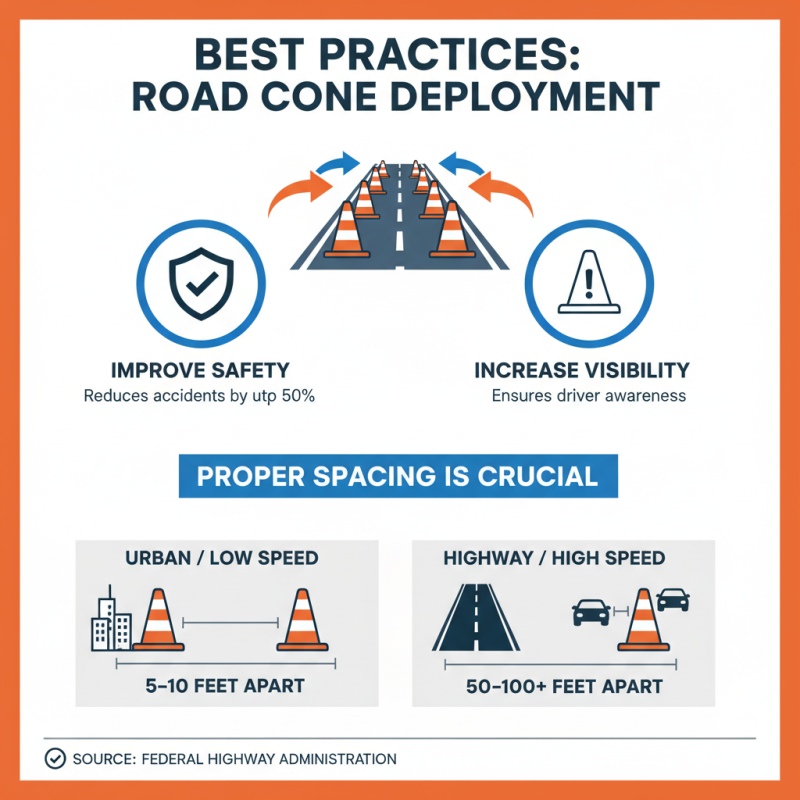
Deploying road cones effectively is essential for safety in traffic scenarios. According to the Federal Highway Administration, proper placement of traffic cones can reduce accident rates by up to 50%. Ensuring they are visible and placed at appropriate intervals increases their effectiveness. In urban settings, cones should be spaced every five to ten feet to manage vehicle flow accurately.
While using road cones, it is crucial to consider visibility. The color and reflectivity of cones matter. Bright orange cones, often seen on roads, catch the driver's attention. However, many workers underestimate the importance of maintaining cone visibility at night. Illuminated options or retro-reflective materials can enhance safety in low-light conditions. Also, consider the potential for misplacement. Some studies suggest that road cones are often not replaced promptly after use, creating hazards.
Training personnel handling cones can further reduce risks. Understanding the dynamics of traffic flow helps them decide cone placement strategically. Workers may often overlook adjusting cone patterns based on real-time traffic. Addressing these factors can lead to better traffic management. Real-world incidents show a lack of adherence to these practices results in avoidable accidents.
When using road cones, maintenance and proper storage are essential for ensuring their longevity and effectiveness. To keep road cones in optimal condition, clean them regularly. Dirt and grime can diminish their visibility and brightness. A simple wash with mild soap and water usually does the trick.
Store your cones in a designated area when not in use. Avoid stacking them too high to prevent deformation. Keep them out of direct sunlight to prevent fading. Cones made of durable materials can last longer but still require care. Check for cracks or signs of wear periodically. If you notice any damages, it might be time to replace them.
Tips for maintaining road cones include inspecting them before each use. Look for any damages that could compromise safety. Additionally, consider using reflective tape or stickers to enhance visibility, especially at night. Adjustments may be required based on the location and environment where they are used. Keeping them in good condition isn't just about extending their life; it's also about maintaining safety on the road.