SSI Traffic Solutions: Traffic Safety Products in USA and Canada
Traffic Safety Products in USA and Canada

Driving is an essential part of daily life for many people. However, it comes with responsibilities. Understanding traffic signs is crucial for everyone on the road. These signs guide drivers, helping maintain safety and order. Ignoring them can lead to accidents or violations.
Traffic signs are not just random symbols; they convey important messages. For instance, a stop sign means to halt completely. A yield sign asks drivers to be cautious and give way. Misreading these signs, or not seeing them at all, can be hazardous.
Not everyone pays enough attention to traffic signs. Some drivers may feel confident and overlook their meaning. This can create dangerous situations. It’s essential to refresh our knowledge of these signs regularly. Recognizing and following traffic signs enhances safe driving for all.
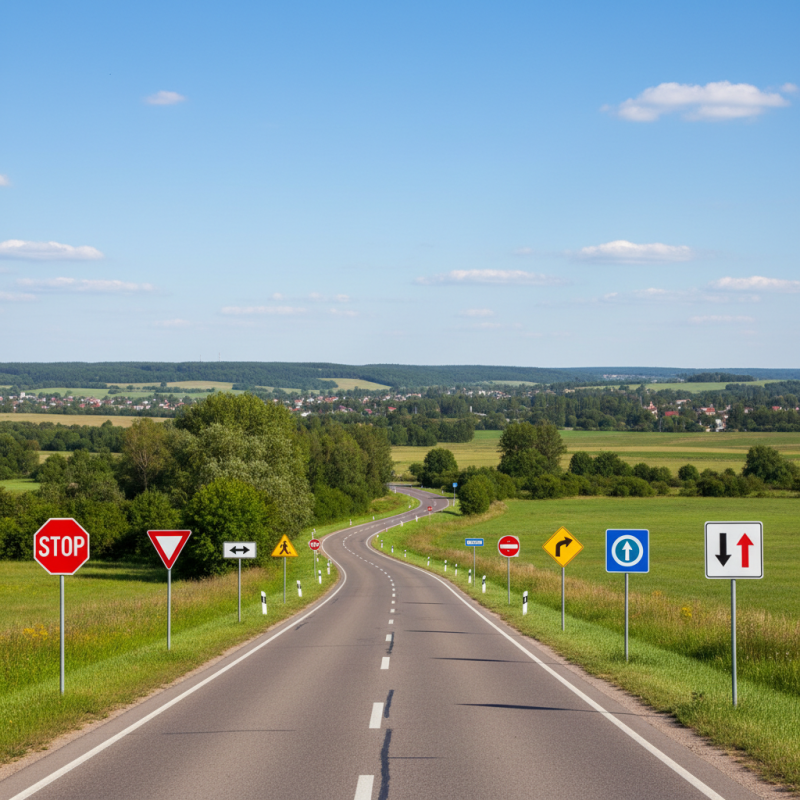
Understanding regulatory traffic signs is essential for safe driving. These signs guide drivers with clear instructions. They come in various shapes and colors, each with a unique meaning. A red sign typically indicates a stop or prohibition. A yellow sign warns about potential hazards ahead. Familiarizing yourself with these signs can prevent accidents.
One common regulatory sign is the speed limit. It tells drivers the maximum speed allowed. Ignoring it could result in fines or accidents. Another important sign is the yield sign. It indicates when you must give way to other vehicles. Many drivers misunderstand its meaning. Sometimes, they hesitate too much, causing confusion at intersections.
It’s crucial to remain vigilant. Regulatory signs change in different areas. A familiar road might lead to unexpected signs. Adaptability is key. Simply glossing over these signs can be dangerous. A moment of distraction can have serious consequences. Stay focused, keep learning, and always respect these essential markers on the road.
| Traffic Sign | Meaning | Importance |
|---|---|---|
| Stop Sign | Come to a complete stop and yield to other vehicles/pedestrians. | Essential for preventing collisions at intersections. |
| Yield Sign | Slow down and yield to oncoming traffic. | Critical for maintaining safe merging and lane changes. |
| Speed Limit Sign | Indicates the maximum speed allowed on a road. | Helps in controlling traffic speed and reducing accidents. |
| No Parking Sign | Indicates areas where parking is prohibited. | Ensures that roadways are clear for traffic flow. |
| Pedestrian Crossing Sign | Alerts drivers to yield to pedestrians crossing the road. | Crucial for the safety of pedestrians in high-traffic areas. |
| One Way Sign | Indicates that traffic may only proceed in one direction. | Prevent head-on collisions by directing traffic flow. |
| No U-Turn Sign | Prohibits making a U-turn at the intersection. | Reduces the risk of accidents and traffic congestion. |
| Railroad Crossing Sign | Indicates a railroad crossing ahead; proceed with caution. | Critical for avoiding accidents with trains. |
| Roundabout Sign | Indicates that drivers must yield before entering the roundabout. | Facilitates smooth traffic flow and reduces collisions. |
| Slippery When Wet Sign | Advises drivers to reduce speed on wet roads. | Prevents accidents due to loss of vehicle control. |
Traffic signs play a crucial role in maintaining road safety. Understanding warning signs is vital for hazard awareness. A report from the National Highway Traffic Safety Administration (NHTSA) indicated that over 40% of crashes occur at intersections. Many drivers overlook warning signs, leading to serious accidents.
Warning signs alert drivers to potential dangers ahead. These signs include curve warnings, pedestrian crossings, and road work alerts. A recent study found that only 30% of drivers can identify the most common warning signs. This lack of recognition can result in dangerous situations. For example, a sharp turn sign can prevent accidents if noticed in time.
However, even vigilant drivers may misinterpret signs. Many believe they have a solid grasp of traffic rules. Yet, inconsistencies in sign design can confuse even experienced motorists. Furthermore, distractions inside the vehicle often lead to oversight. Data shows that distracted driving has increased significantly, with a 10% rise noted in recent years. This highlights the importance of not just seeing the signs, but fully understanding their meanings.
When driving, understanding informative signs can greatly enhance navigation. These signs often provide critical information about your route and nearby attractions. For example, a road sign indicating an exit can save time and frustration. If you miss it, you may have to backtrack, wasting precious moments.
Local landmarks are sometimes noted on highway signs. They guide travelers to key destinations. Yet, not everyone pays attention to these signs. Drivers often focus on the road ahead and miss important cues. This can lead to confusion and wrong turns, especially in unfamiliar areas.
Furthermore, some signs may be weathered or partially obscured. This makes them less effective. Being proactive can help mitigate these issues. Always stay vigilant and be ready to react to the unexpected. Observing and recognizing helpful signs will ultimately lead to a smoother driving experience.
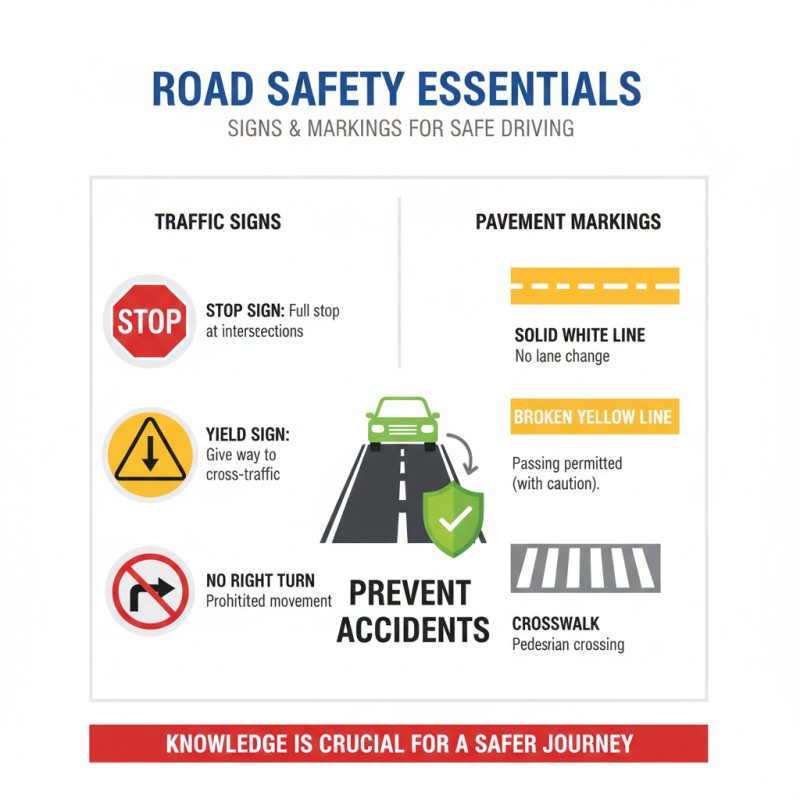
Traffic signs and pavement markings are essential for safe driving. They guide drivers and keep order on the road. Understanding these signals helps prevent accidents. For instance, a stop sign indicates a full stop at intersections. Ignoring it can lead to collisions. Such minor oversights can drastically change outcomes.
Pavement markings are equally vital. They designate lanes and guide turns. A broken line allows for lane changes, but a solid line warns against it. Drivers need to heed these guidelines. Sometimes, distractions can lead to mistakes. Maybe you’re checking your phone or daydreaming. These moments can have serious consequences on the road.
The importance of reflecting on your driving habits cannot be overstated. Regularly review your knowledge of road signs and markings. It’s easy to overlook new ones or forget their meaning. Taking time to learn can reinforce your awareness. Safe driving is a shared responsibility, requiring constant vigilance.
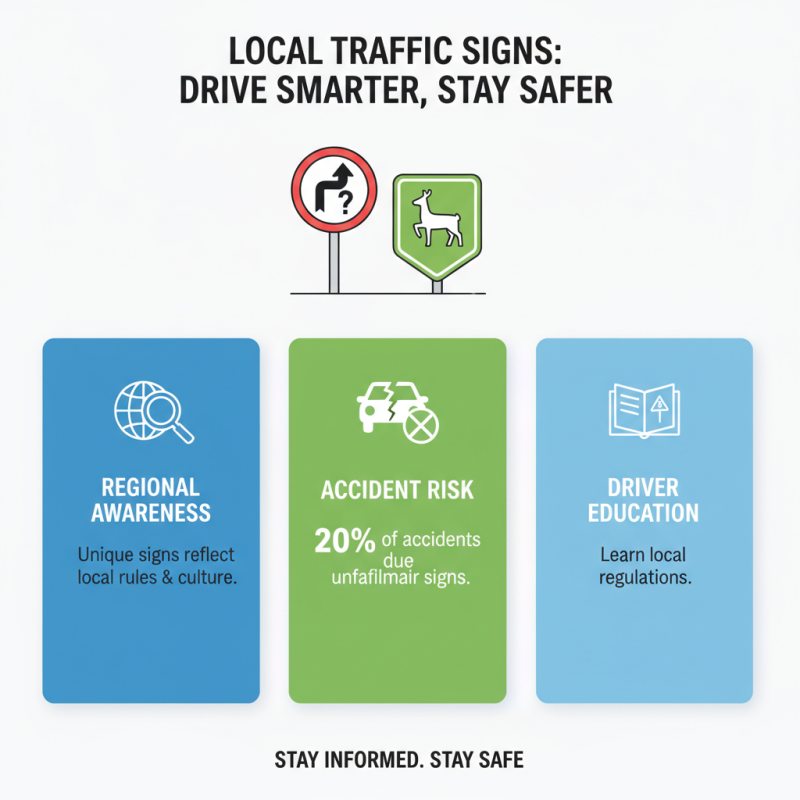
Understanding unique local traffic signs is crucial for regional awareness. Different areas have specific signs that reflect local regulations and cultural values. For instance, studies indicate that about 20% of road accidents occur due to unfamiliarity with these signs. This statistic underscores the need for drivers to educate themselves about local traffic regulations.
In some regions, you might encounter signs with unique symbols or colors. For instance, a sign using a pictogram to indicate wildlife crossings often appears in rural areas. The impact of such signs is significant; they reduce animal-related accidents by up to 30%. Yet, many drivers overlook these aspects when they travel from one region to another. This oversight could lead to dangerous situations.
Additionally, it’s important to note that some local signs may not adhere to universal standards. For example, a stop sign may be marked slightly differently depending on the region. This inconsistency can cause confusion among drivers. A survey from the National Highway Traffic Safety Administration highlights that 15% of drivers feel unsure when they see unfamiliar signs. It's a call to action for road safety advocates to promote awareness.