SSI Traffic Solutions: Traffic Safety Products in USA and Canada
Traffic Safety Products in USA and Canada

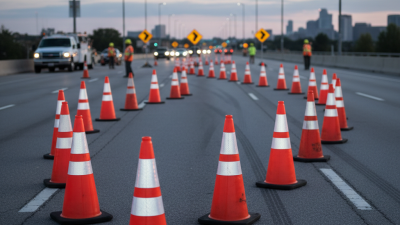
Traffic cones are vital tools in urban areas, ensuring safety and order during roadwork and events. Their bright colors and high visibility help to direct traffic and protect pedestrians. However, using traffic cones effectively requires careful planning and consideration. Many people overlook the importance of placement and visibility.
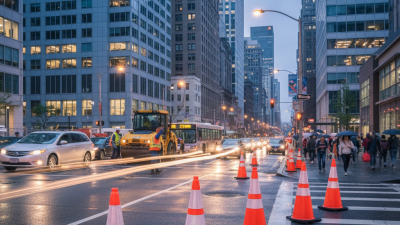
In densely populated areas, it’s crucial to position traffic cones in strategic locations. This helps to reduce confusion and prevent accidents. A well-placed cone can guide drivers away from hazards or work zones, making every street safer. Unfortunately, improper use of traffic cones can lead to misunderstandings and chaos.
Beyond placement, understanding their limitations is essential. Traffic cones cannot guarantee safety on their own. They must be part of a broader traffic management strategy. Engaging with local authorities and community members for effective use can also enhance their impact. Overall, traffic cones are more than just plastic markers; they are critical instruments for urban safety.
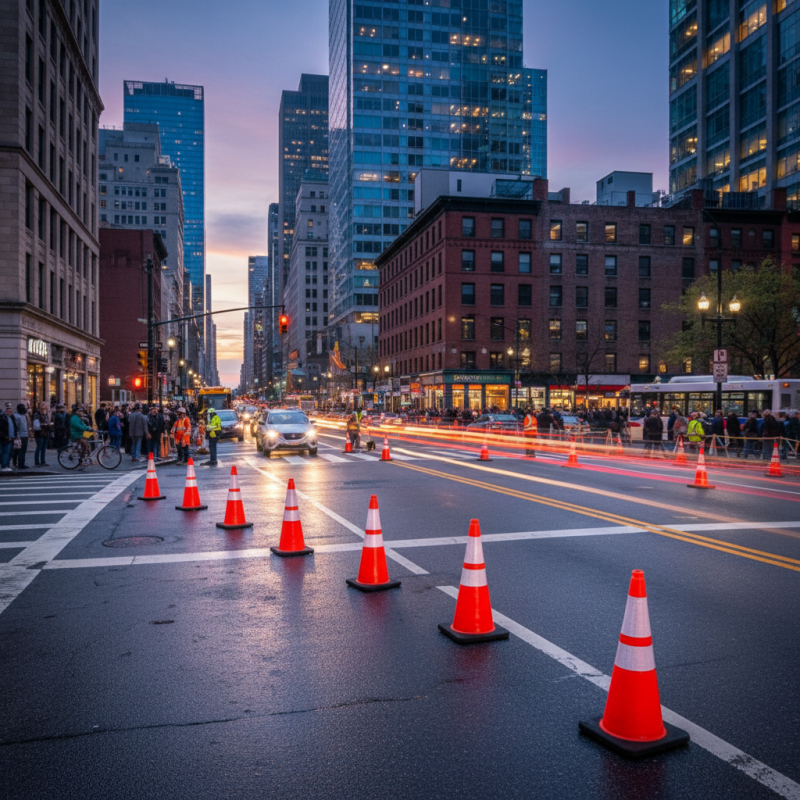
Traffic cones serve vital functions in urban environments. They guide traffic, enhance safety, and communicate important messages. When placed properly, they can significantly reduce accidents. For example, bright orange cones are easier to see, even in busy areas. Their visibility is crucial during construction or emergencies. Parking enforcement benefits from their use. Cones indicate where parking is forbidden or limited.
Despite their importance, the effectiveness of traffic cones is sometimes overlooked. Improper placement can lead to confusion. Drivers may not understand the intended message. Inadequate maintenance can also diminish their visibility over time. It is essential to regularly check and replace faded or damaged cones. Community awareness programs can help educate drivers on the significance of these tools. When people understand their purpose, compliance increases.
Using traffic cones effectively is not just about placement. It involves strategic thinking and planning. Local authorities need to coordinate with traffic management teams. Clear communication about roadwork or detours helps reduce congestion. Reflection on past experiences can lead to better practices. Ultimately, traffic cones are more than mere objects; they are essential components of urban traffic systems.
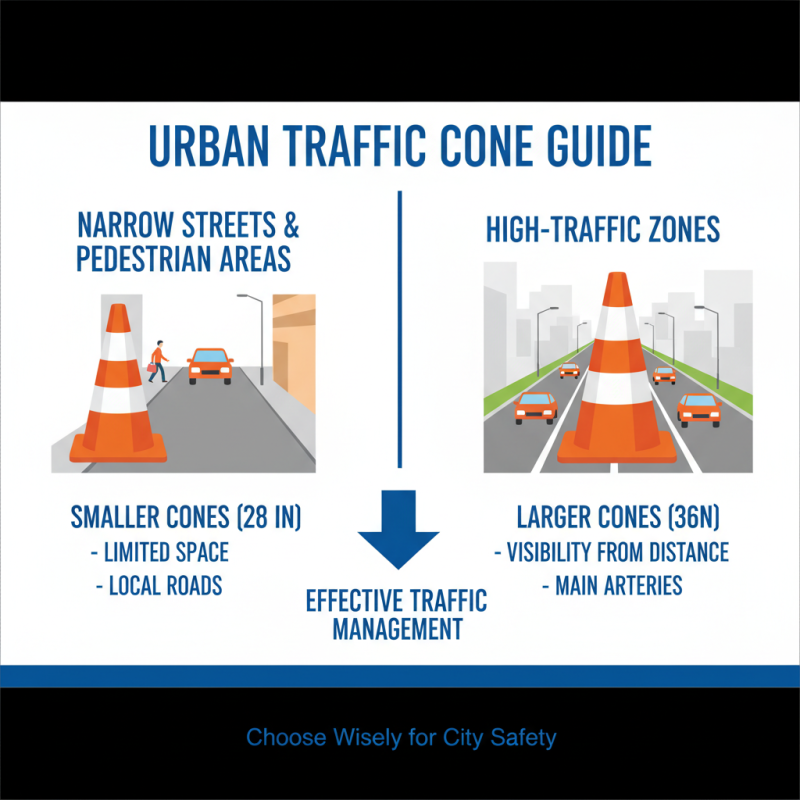
Choosing the right type and size of traffic cones for urban use is crucial for effective traffic management. In urban areas, where space is limited, selecting appropriately sized cones can make a significant difference. Smaller cones, around 28 inches, are often suitable for pedestrian areas and narrow streets. Larger cones, up to 36 inches, are better for high-traffic zones, ensuring visibility from a distance.
The material of traffic cones also matters. Bright orange PVC cones are a popular choice due to their lightweight and durable nature. However, some may prefer rubberized cones for added stability. It's essential to consider the weather conditions in your area. In windy locations, heavier cones are a must to prevent them from being displaced.
Reflective stripes can enhance visibility, especially at night. Yet, not all urban settings require this feature. An over-reliance on reflective cones might lead to clutter and confusion. Remember, too many cones can create an obstacle course rather than a clear pathway. Balance is key, ensuring adequate coverage without overwhelming the area. Ultimately, proper selection and placement of traffic cones can lead to safer urban navigation.
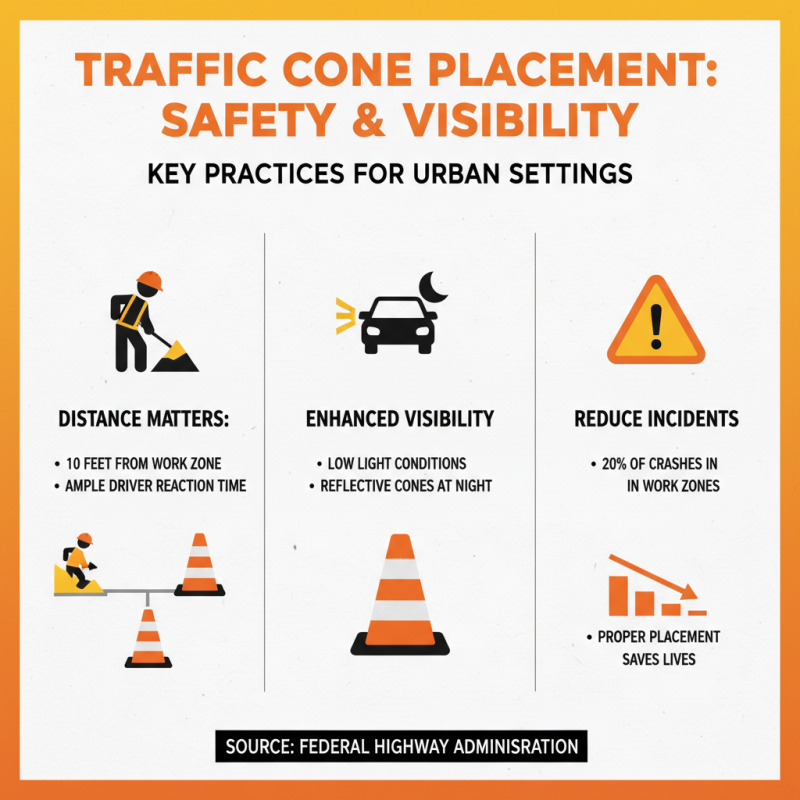
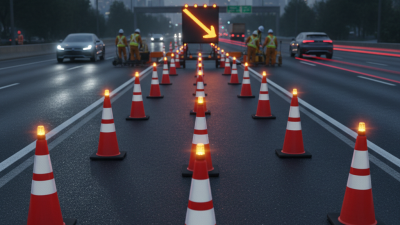
When using traffic cones in urban settings, effective placement is crucial for safety and visibility. According to the Federal Highway Administration, over 20% of traffic incidents occur in construction zones. Proper cone positioning can significantly reduce these numbers. A good start is to place cones at least 10 feet away from active work zones. This distance provides drivers ample time to react. Consider that visibility diminishes during low light. Reflective cones enhance visibility, alerting drivers at night.
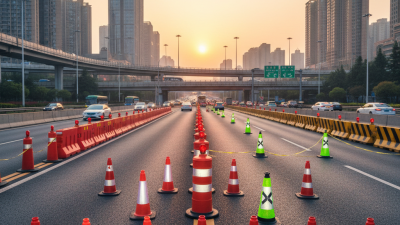
It’s also important to consider the placement patterns. Arranging cones in a straight line can create a false sense of security. Instead, a staggered pattern may better direct traffic flow and prevent confusion. Statistical analyses show that misinterpretations of lane closures lead to 30% of accidents in urban areas. Utilizing multiple colors can also improve visibility in diverse weather conditions.
Never underestimate the local environment. Unforeseen factors like wind or nearby distractions can affect cone stability. Regularly inspecting cone placements is essential, as studies show that nearly 15% of roadwork-related accidents are due to inadequate traffic control. Remember, while traffic cones improve safety, improper use can lead to dangerous situations. Adapting to real-time conditions is key for urban safety.
Traffic cones play a crucial role in maintaining safety on urban roads. Proper maintenance ensures their effectiveness. Regular checks are essential; this includes inspecting for cracks, fading colors, or missing reflective tape. A study shows that over 15% of traffic cones are damaged or ineffective due to poor maintenance practices. This can lead to increased risks of accidents and confusion among drivers.
Storing traffic cones correctly extends their lifespan. They should be kept indoors and away from direct sunlight. UV rays can cause the material to degrade, leading to compromised visibility. Reports indicate that cones stored outdoors can experience a 25% reduction in useful life. Cleaning them regularly is equally important. Dirt and grime can obscure their visibility. Using soap and water keeps them bright and readable.
Using high-quality reflective materials enhances the effectiveness of traffic cones in low-light conditions. Research indicates that cones with better reflectivity reduce accident rates by up to 30%. However, even the best cones require attention. City officials often overlook seasonal changes that affect visibility, causing potential hazards. Regular maintenance and reflection on usage behavior can help improve overall effectiveness in urban settings.
When deploying traffic cones in urban settings, understanding legal considerations is crucial. Municipal regulations dictate how and where cones can be used. Failing to comply can lead to fines or legal trouble. Each city may have different laws governing their use. Therefore, it's essential to consult local guidelines before placing cones.
Traffic cones must often comply with specific color standards and size requirements. This ensures visibility and safety. Some jurisdictions may require reflective stripes or specific materials. Always check with local authorities to avoid non-compliance. Misinterpretation of these regulations can result in unwanted disruptions and accidents.
In some cases, proper placement of cones can also impact traffic flow. Placing them too close to the road can confuse drivers. On the other hand, leaving them too far away may defeat their purpose. Understanding the nuances of placement is key. Be ready to adjust based on the situation. Traffic management takes practice and reflection on what works best.
| Tip Number | Tip Description | Legal Considerations | Best Practices |
|---|---|---|---|
| 1 | Use cones to mark hazardous areas. | Ensure compliance with local safety regulations. | Place cones with sufficient spacing for visibility. |
| 2 | Utilize cones for traffic diversion. | Follow municipal guidelines for road closures. | Provide clear signage for drivers. |
| 3 | Employ reflective cones at night. | Check for compliance with night visibility standards. | Use additional lighting if necessary. |
| 4 | Maintain proper cone placement. | Regularly inspect cone locations to avoid hazards. | Reinforce placement with barriers if needed. |
| 5 | Use cones to indicate temporary lane closures. | Obtain permits for any lane restrictions. | Communicate lane changes to drivers through signage. |
| 6 | Incorporate cones in emergency response scenarios. | Follow local emergency management protocols. | Coordinate with emergency services for effective placement. |
| 7 | Educate workers about cone usage. | Provide training on legal implications of placement. | Conduct regular safety meetings to review practices. |
| 8 | Ensure your cones are in good condition. | Regularly inspect for wear and damage. | Replace damaged cones promptly to maintain safety. |
| 9 | Utilize cones for pedestrian safety. | Follow city ordinances regarding pedestrian paths. | Keep pathways clear and unobstructed. |
| 10 | Plan cone usage based on traffic flow. | Analyze traffic patterns to avoid congestion. | Adjust placement during peak hours for efficacy. |