SSI Traffic Solutions: Traffic Safety Products in USA and Canada
Traffic Safety Products in USA and Canada

The landscape of traffic control equipment is rapidly evolving. As cities grow and traffic volumes increase, innovation is critical. A recent report by the Federal Highway Administration revealed that effective traffic management can reduce congestion by up to 30%. This highlights the importance of investing in advanced traffic control systems.
In 2026, we expect to see cutting-edge technologies like smart traffic signals and real-time data analytics making waves. These advancements can improve traffic flow and enhance safety. For instance, adaptive traffic signals can adjust timing based on real-time traffic conditions. However, challenges remain, such as the integration of new systems with existing infrastructure.
It's also important to consider the human element. As we rely more on technology, training for personnel becomes essential. Mismanagement or a lack of understanding can undermine these innovations. A well-thought-out plan can bridge this gap and lead to sustainable traffic solutions for the future. As we approach 2026, reflection on past mistakes and proactive measures are vital for success in traffic control equipment development.
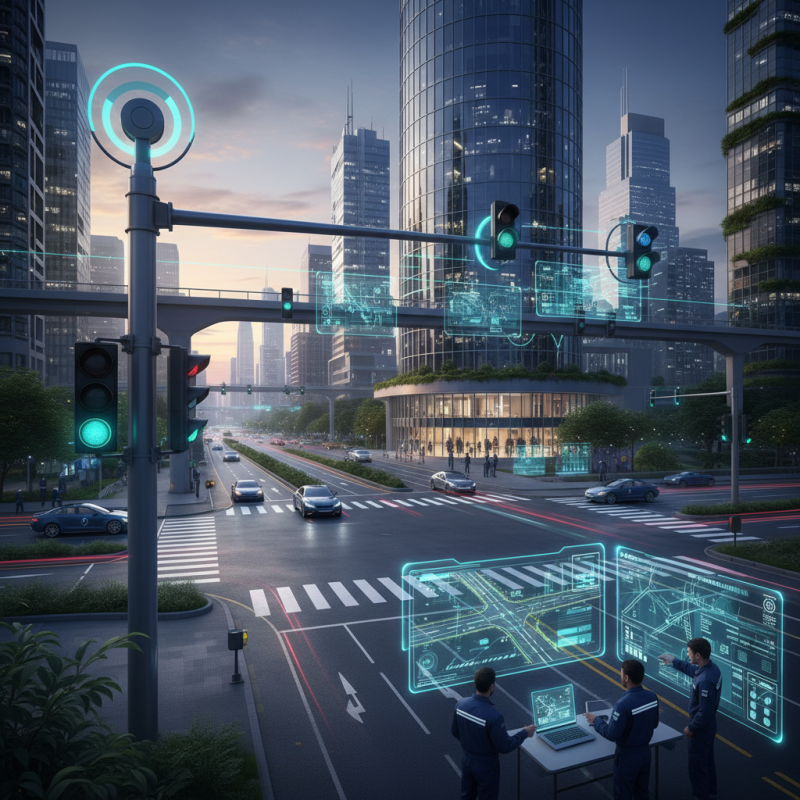
As we head into 2026, traffic control equipment is undergoing significant changes. Emerging technologies are at the forefront, shaping how cities manage transportation. According to the latest industry report, advanced traffic signal systems are projected to reduce congestion by up to 30%. These systems use real-time data to adapt light cycles efficiently. This adaptability leads to shorter wait times and improved flow on busy intersections.
Additionally, connected vehicle technology is gaining traction. Research indicates that when vehicles communicate with traffic systems, incident response times can improve by 40%. This development focuses on safety and efficiency. However, challenges remain. Integrating these technologies into existing infrastructure often proves difficult. Cities must balance innovation with the need for practical solutions, ensuring that all stakeholders are considered.
Moreover, sustainability is becoming imperative in traffic control. Emerging trends show a shift toward eco-friendly materials and energy-efficient devices. In a 2023 survey, 65% of urban planners emphasized the need for green technologies. This shift reflects broader climate goals. Yet, more investment and public awareness are essential for these initiatives to succeed. The journey toward smarter traffic management is complex but necessary.
| Innovation | Description | Expected Impact | Adoption Timeline |
|---|---|---|---|
| Smart Traffic Signals | Using AI to adjust signal timings based on real-time traffic data. | Improved traffic flow and reduced congestion. | 2025-2026 |
| Connected Vehicle Technology | Vehicle-to-everything (V2X) communication to enhance traffic management. | Increased safety and reduced accidents at intersections. | 2025-2026 |
| Adaptive Traffic Management Systems | Systems that adapt to current traffic conditions using machine learning. | Enhanced optimization of traffic signals leading to decreased travel times. | 2026 |
| Drone Monitoring Solutions | Drones used for traffic monitoring and incident reporting. | Faster incident response times and improved road safety. | 2025-2026 |
| Eco-Friendly Traffic Lights | Traffic signals powered by renewable energy sources. | Reduction in carbon footprint and energy costs. | 2026 |
Innovative smart traffic management systems are transforming urban mobility. These systems utilize advanced algorithms and real-time data to optimize traffic flow. Sensors embedded in roads collect data about vehicle speed and density. This information helps in managing traffic lights efficiently, reducing congestion during peak hours.
Smart traffic management isn't foolproof. Some systems may struggle to adapt to sudden changes, like accidents or road closures. For instance, reliance on algorithms can lead to unexpected delays. An over-reliance on technology can create additional challenges, such as system failures or incorrect data interpretation.
Moreover, integrating these systems with existing infrastructure remains a challenge. Many cities face budget constraints that limit upgrades. Training staff to effectively use new technologies is another hurdle. Potential privacy concerns regarding data collection also need addressing. Despite these obstacles, the potential benefits of improved traffic flow and reduced emissions are significant. The future of traffic management holds promise, but it requires careful planning and consideration.
Innovations in traffic control equipment are increasingly focusing on sustainability. The use of eco-friendly materials is becoming standard in the industry. Reports indicate that about 75% of traffic devices now utilize materials that are recyclable. This shift helps reduce the environmental impact of manufacturing and disposing of these products.
Design trends are also evolving. Minimalist structures are becoming more popular. They not only save materials but also enhance visibility. Urban planners are implementing designs that blend seamlessly into the environment. This encourages a harmonious relationship between infrastructure and nature. Yet, the transition to sustainable materials is challenging. Sourcing can be inconsistent, and costs may rise.
Tip: Regularly review your suppliers. Ensure they provide sustainable options. It’s crucial for long-term planning.
The innovation doesn’t stop at materials. Smart technology integration is on the rise. Traffic signals equipped with sensors can adapt to real-time conditions, improving flow. However, these systems can introduce complexities. Maintenance and reliability remain significant concerns.
Tip: Invest in training for your team. Ensure they can manage and maintain new technologies effectively. Understanding these systems is vital for future success.
This chart illustrates the anticipated innovation levels in various traffic control equipment trends for the year 2026. The focus areas include sustainable materials, smart technology integration, user-centric design, modular systems, and enhanced visibility.
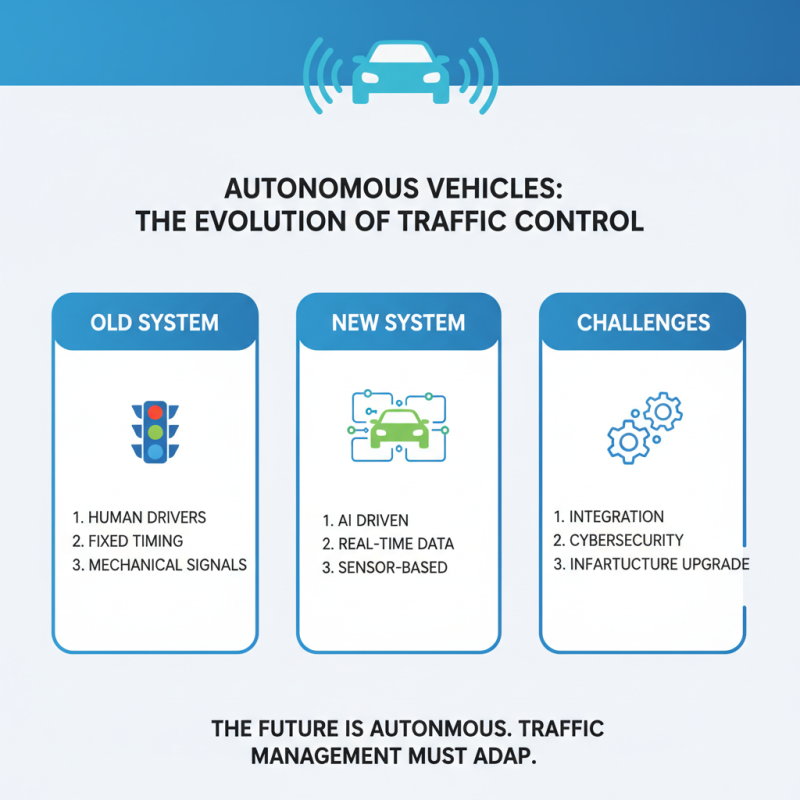
The rise of autonomous vehicles is changing traffic control systems. These vehicles rely on advanced sensors and algorithms. This shift presents unique challenges for traffic management. Traditional traffic signals may not work well with autonomous tech.
Real-time data processing becomes crucial. Traffic control must adapt quickly to changing vehicle behavior. Clear communication between vehicles and infrastructure is necessary. This leads to innovations in connectivity. Yet, the lack of established protocols is concerning. Communities may face deployment issues.
Additionally, pedestrians and cyclists could be impacted. They may find themselves in uncertain situations. Systems must prioritize their safety alongside autonomous vehicles. Some may argue that current designs do not effectively address these concerns. As cities evolve, the need for better integration is clear. The race to innovate continues. Smart designs must consider all road users.
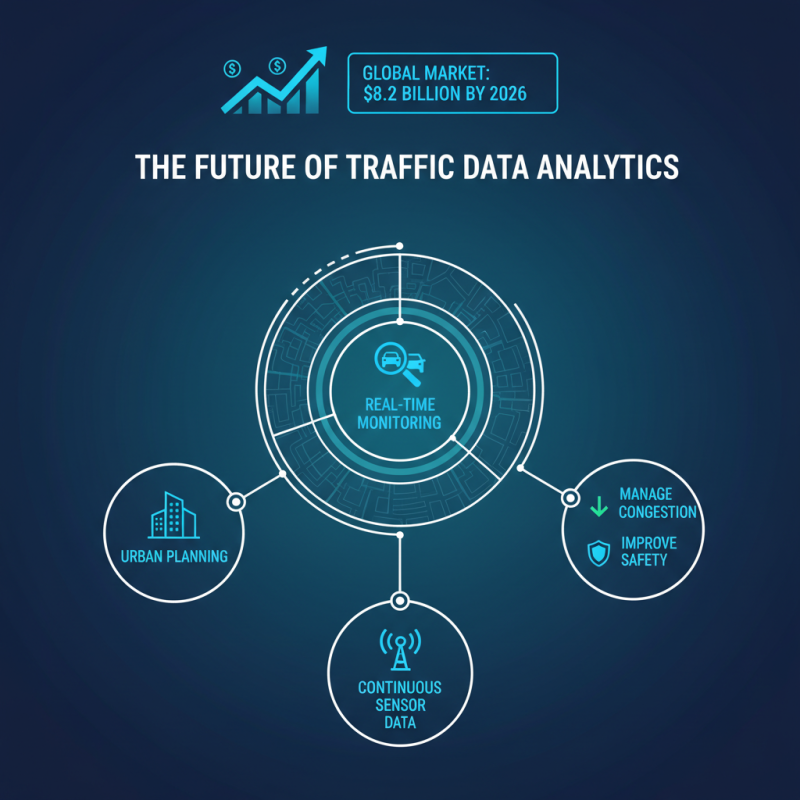
The future of traffic data analytics is shaping up to be transformative. According to a recent industry report, the global market for traffic analytics is expected to reach $8.2 billion by 2026. Real-time monitoring technologies are becoming essential in urban planning. Cities are investing in sensors that collect data continuously. These tools help manage congestion and improve safety.
Cities face challenges, though. Integrating data from various sources is complex. Poor data quality can lead to incorrect insights. A survey showed that 70% of traffic professionals admitted they struggle with data reliability. This highlights a significant area for improvement. Better algorithms and machine learning models can enhance predictive accuracy. Yet, they require substantial investment and expertise.
Despite advancements, there is room for reflection. Many jurisdictions still rely on outdated systems for traffic management. This creates gaps in real-time data availability. Stakeholders must embrace innovative solutions while addressing these shortcomings. The transition to smarter traffic systems will not happen overnight. However, the evolving landscape of traffic data analytics shows promise for future growth.